Sliced ham that has been in the refrigerator for three weeks should not be served. Even if it looks mostly normal and has been kept cold, that is far beyond the usual safe storage window for opened ham. For opened, cooked sliced ham, plan on 3 to 5 days in a refrigerator kept at 40°F or below. A sealed package of fully cooked, vacuum-packed ham may last up to two weeks unopened, but once you break that seal, the clock moves much faster. Why Three-Week Ham Is a Bad Bet Ham is cured and cooked, but it is still meat …
My dishwasher had started leaving behind a musty smell, cloudy glasses, and the occasional bit of residue on supposedly clean dishes. After nine years without cleaning the machine itself, I ran an empty hot cycle with a bowl of white vinegar on the top rack. The difference was obvious when I opened the door: the interior looked brighter, the smell was gone, and the next load of dishes came out cleaner. But the vinegar cycle also revealed a problem I’d been ignoring: there was old debris in the filter and mineral buildup in the spray arms that needed hands-on cleaning. …
My adult children had years to retrieve the things I was keeping for them. So I gave them one clear deadline: claim what you want from the basement, garage loft, and hall closet by August 31, or it goes to charity. It worked better than I expected. There were a few sentimental moments and a little resistance, but most of what I had stored for years turned out not to be worth storing after all. My house had become a storage unit for grown children This wasn’t one tote of baby clothes tucked under a bed. I had 18 plastic …
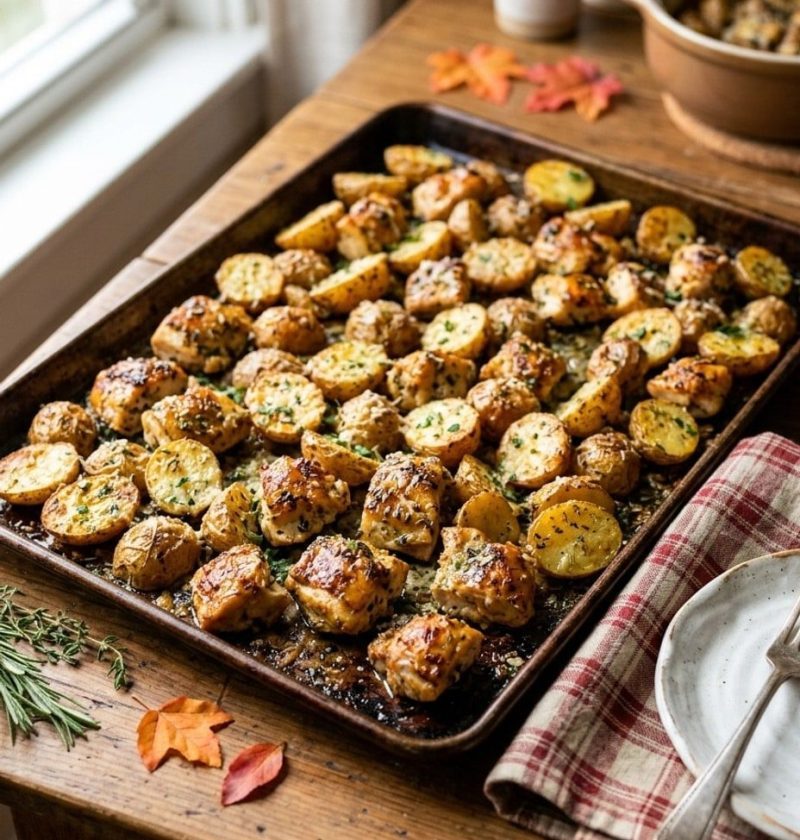
Adding a little baking soda to the water gives roasted potatoes a rough, starchy surface that turns deeply crisp in the oven. The potatoes may look slightly battered after boiling, but that’s exactly the point. For about 2 1/2 pounds of potatoes, 3/4 teaspoon of baking soda and a 9-minute boil can make the difference between potatoes that are merely browned and potatoes with brittle, crunchy edges and soft centers. Why Baking Soda Changes the Potato Surface Baking soda makes the cooking water alkaline. That helps the pectin in the potatoes’ outer layers break down faster, so the surface softens …
A ham wrapped in cheesecloth, salted, and buried three feet underground for 60 days may come back looking firm and smelling pleasantly spiced. That does not make it safe to eat. Salt curing is a real preservation method, but burying a whole ham in soil is not a reliable curing process. The ground adds uncontrolled temperature swings, moisture, insects, animals, and—most concerning—microbes from the soil itself. The Backyard Ham Experiment Sounds More Convincing Than It Is The account starts with a 15-pound bone-in ham coated in kosher salt, black pepper, juniper berries, bay leaves, and cloves. It was wrapped in …
Restaurant food often tastes better for a few simple reasons: hot pans, properly seasoned ingredients, and sauces that get a little attention. You don’t need a culinary school kitchen to get there. The goal isn’t to copy every last detail from a restaurant plate. It’s to make a dinner with a crisp crust, glossy sauce, tender meat, or melted cheese—the parts that make a meal feel special. 1. Creamy Garlic Shrimp Pasta and Margherita Pizza Creamy garlic shrimp pasta comes together quickly, but timing matters. Cook the pasta until it still has a little bite, then finish it in the …
The cheese came out of the foil wet, patchy, and smelling sour, and it went straight into the trash. Two weeks earlier it had been a smooth, mild piece with a clean, milky smell. Foil felt like the quick, tidy way to store it. It wasn’t. Two things worked against me. Foil traps moisture right against the surface of a soft cheese, and fresh cheese was never going to last two weeks in the fridge no matter what I wrapped it in. Here’s what went wrong, how to spot cheese that’s turned, and the storage method that actually works. What …
I rubbed plain yellow mustard over six raw pork chops before baking them, and here’s the short version: they came out bronzed, juicy, and gently tangy — and the mustard itself mostly disappeared into the seasoning. Nobody would guess it was there. This isn’t a new idea. It’s one of those quiet, old-fashioned kitchen habits that costs almost nothing and adds maybe three minutes of work. But the difference in the pan was big enough that I keep doing it. Here’s exactly what I used, why it works, and what to watch for so you get the same result. What …
Yes, evaporated milk whips. After about 10 minutes with a hand mixer, my freezing cold can turned into a soft, airy topping that was genuinely good spooned over berries. But no, it does not become whipped cream. It’s lighter, looser, and far less stable. Think of it as a useful stand-in for quick desserts, not a one-to-one swap — and it’s worth knowing exactly where the line is. Why It Works at All (and Why It’s Not the Same) Evaporated milk is regular milk with about 60% of the water cooked off. That gives it a richer body than plain …
Short version: it worked. The onion softened into silky, sweet layers, the broth turned richer and slightly sweeter, and nothing about the stew tasted overly “oniony.” One medium onion, peeled and dropped in whole, four hours at a low simmer. I didn’t chop it because I wanted the flavor without the punch. Diced onion can take over a pot, especially a pungent one, and I was after a slow, gentle infusion instead. Also, no cutting board and no tears, which is a nice bonus on a lazy afternoon. What I Actually Did Nothing fancy. I took a medium yellow onion …