
Save This Recipe
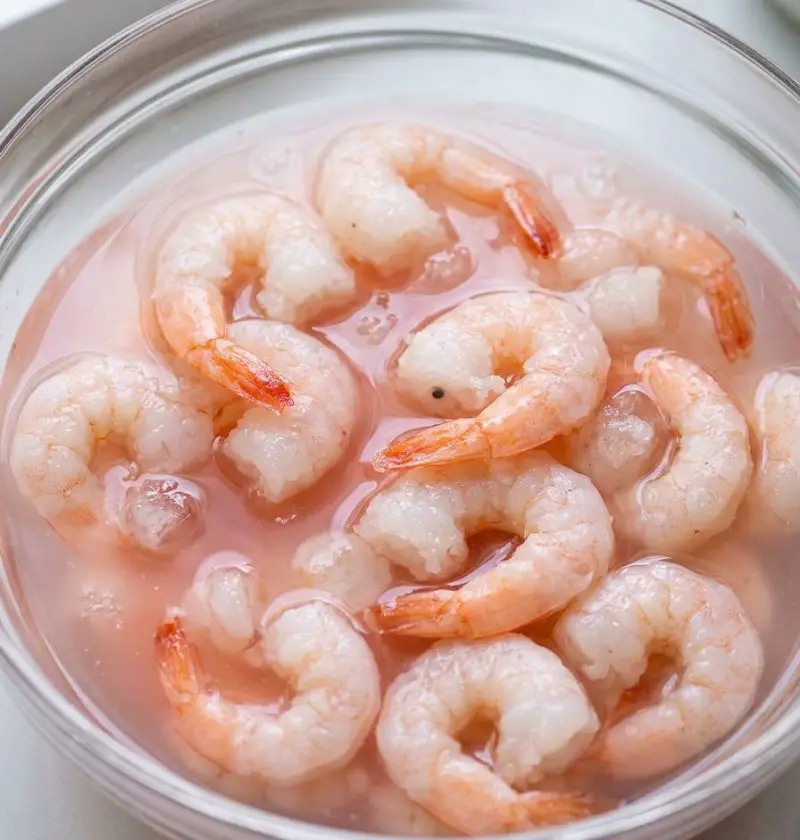
You pull a bag of shrimp from the freezer, let it thaw for dinner, and then… there it is. A puddle of pink liquid collecting at the bottom of the bowl.
Honestly, it catches a lot of people off guard the first time. It looks suspicious. Maybe even a little alarming. Is it blood? Is the shrimp bad? Did the freezer ruin it somehow?
Here’s the thing: in most cases, that pink liquid is completely normal. Still, there are moments when thawed shrimp can signal a real food safety issue, and knowing the difference matters more than people realize.
Seafood has this weird reputation for being intimidating. Chicken can smell a little odd and people still debate whether it’s fine. Shrimp? One strange color or texture and suddenly everyone’s nervous. And honestly, that caution isn’t a bad thing.
Let me explain what’s really happening when shrimp defrosts, why the liquid turns pink, and how to tell whether your shrimp is perfectly safe or headed straight for the trash can.
So… What Is That Pink Liquid?
The pink liquid that appears when shrimp thaws is mostly water mixed with natural pigments from the shrimp itself. Food scientists sometimes call it “thaw drip,” which sounds technical, but it’s basically just moisture released as frozen shrimp warms back up.
During freezing, tiny ice crystals form inside the shrimp. Those crystals can puncture the delicate cell walls in the meat. Then, once the shrimp starts thawing, trapped water leaks out along with some naturally occurring pigments.
That’s where the pink color comes from.
One of the main pigments involved is astaxanthin — a carotenoid that gives shrimp, salmon, lobster, and even flamingos their pink-orange coloring. Kind of funny when you think about it. Flamingos are pink partly because of compounds found in crustaceans.
Anyway, when shrimp defrosts, a bit of that pigment mixes with the thawed moisture. The result? Pink liquid in the bowl.
Not glamorous. Usually harmless.
Wait — Shrimp Don’t Actually Bleed?
Correct. Shrimp don’t have red blood the way mammals do.
A lot of people assume the pink liquid is blood because that’s what we’re used to seeing with meat. Beef leaks red juices. Chicken sometimes releases pinkish moisture. Our brains connect pink liquid with blood almost automatically.
But shrimp biology works differently.
Shrimp have something called hemolymph instead of blood. It’s typically clear or slightly bluish because it uses copper-based proteins to transport oxygen rather than iron-based hemoglobin. So there’s no red blood sloshing around inside shrimp waiting to leak out during thawing.
The pink color is pigment-related, not blood-related.
That distinction matters because people often mistake normal thawing for spoilage. And while seafood safety should absolutely be taken seriously, pink thaw liquid alone isn’t enough reason to panic.
The Strange Science Behind Thaw Drip
Frozen seafood goes through a tiny structural battle every time it freezes and thaws.
Water expands when frozen. That expansion creates sharp ice crystals that damage muscle fibers inside the shrimp. It’s a bit like what happens when frozen berries turn mushy after thawing. Same idea.
When shrimp thaws:
- Ice crystals melt
- Damaged cells release moisture
- Natural pigments leak into the water
- Liquid collects around the shrimp
That’s thaw drip.
And honestly, some shrimp produce more of it than others. Wild-caught shrimp, previously frozen shrimp from grocery stores, and shrimp frozen for long periods may release noticeably different amounts of liquid.
You might even notice this more with bargain freezer bags. Lower-cost seafood often contains added moisture solutions or phosphate treatments meant to help the shrimp retain water weight. Unfortunately, that extra water tends to come rushing out during thawing.
So yes — sometimes the shrimp isn’t “bleeding.” It’s basically leaking freezer damage and retained moisture.
Not exactly appetizing wording, but accurate.
Normal Defrosting vs. Actual Spoilage
This is where people get tripped up.
Some liquid? Normal.
A faint seafood smell? Also normal.
A full-on ammonia blast that hits you from three feet away? Absolutely not normal.
Fresh shrimp should smell mild and clean — kind of briny, like ocean water. It should never smell aggressively fishy, sour, or chemically sharp.
Here’s a quick reality check:
Usually Safe
- Light pink liquid
- Clear or slightly cloudy moisture
- Mild ocean-like smell
- Firm texture
- Slight translucency
Probably Spoiled
- Thick slimy coating
- Mushy texture
- Strong ammonia odor
- Yellowing or black spots
- Sour-smelling liquid
- Sticky residue
Texture matters a lot more than people think. Good shrimp has a springy firmness. Bad shrimp tends to collapse into mush or feel oddly tacky.
And honestly? Your nose is usually right. Humans evolved to recognize dangerous food smells for a reason.
When Cloudy Liquid Becomes a Problem
Not all cloudy liquid is dangerous. Sometimes proteins and pigments simply mix into the thaw water. But cloudy liquid combined with odor or slime can point to bacterial activity.
That’s the key difference.
Bacteria break down proteins and release compounds that create unpleasant smells and sticky textures. If your shrimp smells “off,” trust that instinct. Seafood spoilage doesn’t usually improve with cooking.
People sometimes think, “Well, I’ll cook it thoroughly and it’ll be fine.” That’s risky logic. Cooking kills many bacteria, but toxins produced during spoilage can still make you sick.
And seafood-related food poisoning? Not subtle. Not fun.
Freezer Burn Plays a Bigger Role Than Most People Realize
Freezer burn gets blamed for flavor problems, but it also affects thawing behavior.
Shrimp stored too long or packaged poorly develops dehydrated patches where air has reached the surface. Over time, oxidation and moisture loss damage the texture.
That leads to:
- More thaw drip
- Tougher shrimp
- Dry or cottony texture
- Uneven coloring
You’ll sometimes notice thick ice crystals coating old shrimp bags. That’s a clue the seafood has gone through temperature fluctuations or extended freezer storage.
The shrimp may still technically be safe, but quality drops fast after that point.
Honestly, freezer burn is a little like leaving bread uncovered overnight. Technically edible. Not exactly enjoyable.
The Best Way to Thaw Shrimp (Without Creating a Mess)
People rush shrimp thawing all the time. Totally understandable — dinner sneaks up on everybody.
But Slow thawing really does preserve texture better.
The refrigerator method
This is the gold standard.
Place frozen shrimp in a bowl or colander in the fridge overnight. The gradual thaw helps reduce cell damage and limits moisture loss.
The cold water method
Need shrimp faster? Put the sealed bag under cold running water or submerge it in cold water for 15–20 minutes.
Cold water works surprisingly well.
What you don’t want:
- Hot water
- Warm countertop thawing
- Leaving shrimp out for hours
That temperature “danger zone” lets bacteria multiply quickly. Seafood turns risky faster than many other proteins because it’s naturally delicate.
And yes, microwaving shrimp to thaw it usually creates rubbery edges and half-cooked spots. We’ve all done it once. Most of us regret it immediately.
Safe Handling Matters More Than People Think
Cross-contamination is one of those boring kitchen topics nobody wants to hear about until they get sick.
Raw shrimp juices can spread bacteria onto:
- Cutting boards
- Countertops
- Sink handles
- Towels
- Other foods
Wash surfaces well after handling raw seafood. And cook shrimp thoroughly — the FDA recommends an internal temperature of 145°F (63°C).
That said, most home cooks don’t walk around temp-checking shrimp with a thermometer.
A practical sign? Shrimp turns opaque and curls into a loose “C” shape when cooked properly. Tight “O” shapes often mean it’s overcooked.
Tiny detail, but surprisingly useful.
So… Should You Throw the Shrimp Away?
Here’s the simplest rule:
If the shrimp smells clean, feels firm, and only has some pink thaw liquid, it’s probably fine.
If it smells harsh, feels slimy, or looks discolored in an unusual way, don’t risk it.
Seafood is expensive, sure. Nobody likes wasting food. But food poisoning costs more than a bag of shrimp ever will.
And honestly, your senses are better at this than you think. People often second-guess themselves because they don’t want to be “too cautious.” But when shrimp truly goes bad, it usually tells you pretty clearly.
The pink liquid itself? Mostly harmless thaw drip.
The smell, texture, and overall condition? That’s the real story.