
Save This Recipe
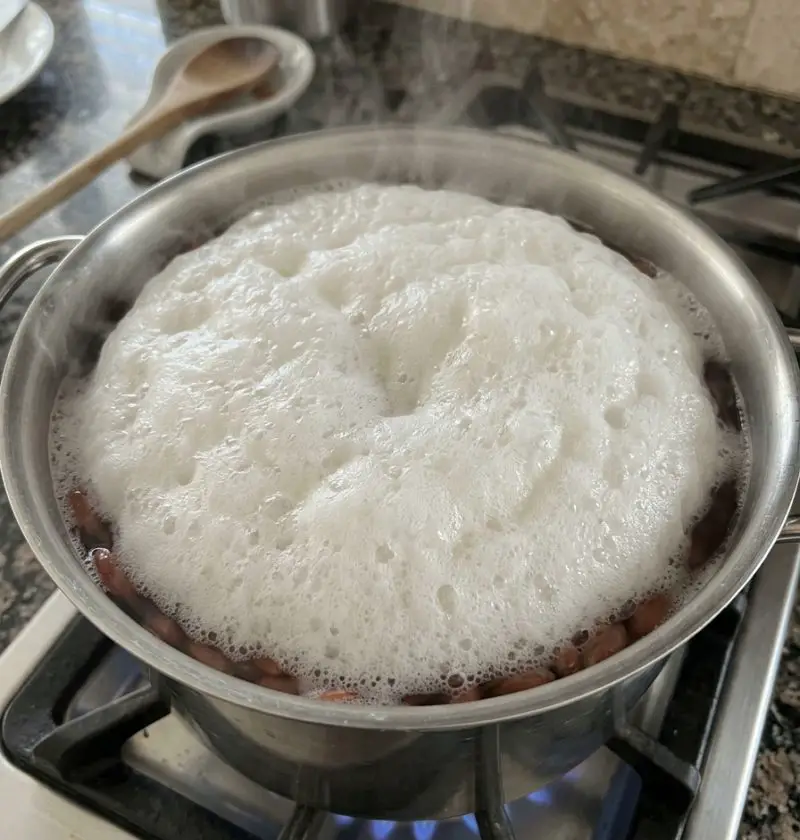
If you’ve ever stood over a pot of simmering beans and suddenly noticed thick white foam climbing toward the rim like a science experiment gone rogue, you’re not alone. Honestly, it catches a lot of people off guard the first time. One minute you’re feeling wholesome and domestic, soaking dried beans like somebody’s grandmother, and the next minute your stovetop looks like a bubble bath exploded.
The good news? That strange foamy layer is usually completely normal.
In fact, if you cook beans often — black beans, chickpeas, kidney beans, navy beans, pinto beans, any of them really — you’ll probably start seeing the foam as a sign things are going exactly as they should. Weirdly comforting, right?
Still, it raises questions. Is it safe? Should you skim it off? Does it mean the beans are dirty? Spoiled? Full of chemicals? And why do beans foam so dramatically compared to almost everything else in the kitchen?
Here’s the thing: beans are little chemistry labs. Once heat and water get involved, all kinds of natural compounds start breaking loose into the pot. Some create foam. Some affect digestion. Some influence flavor and texture. It sounds technical, but it’s actually pretty simple once you break it down.
So let’s talk about what’s really happening in that pot — and when you should ignore the foam versus when you should absolutely dump the whole batch.
So… What Is That Thick White Foam?
That cloudy, soapy-looking foam comes mostly from two things naturally found in beans:
- Saponins
- Starches
Saponins are plant compounds that behave a little like soap when mixed with water and agitation. That’s where the frothy look comes from. If you’ve ever shaken oat milk or cooked quinoa and noticed bubbles, same basic idea.
Beans contain a decent amount of these compounds, especially in the outer skin. Once the water starts boiling and the beans tumble around, the saponins release into the liquid and create foam.
Then starch joins the party.
As beans soften, some of their starch escapes into the water. Combined with the saponins, it creates that thick foam cap that sometimes threatens to overflow the pot at the worst possible moment. Usually right when you step away for ten seconds. Every time.
And no — despite how suspicious it looks — it’s not detergent, soap residue, or some kind of contamination.
Why Beans Foam More Than Pasta or Vegetables
You might notice pasta water gets a little foamy too, but beans take it to another level. There’s a reason for that.
Beans are packed with:
- complex carbohydrates
- resistant starches
- soluble fiber
- natural plant compounds
That outer seed coat holds onto many of these substances until cooking begins. Once boiling starts, the agitation releases them quickly.
Think of it like shaking a carbonated drink. The more movement, the more bubbles form.
A rapidly boiling pot of beans constantly churns the water, which means more starch and more saponins get whipped into foam. That’s why a violent boil usually creates a bigger mess than a gentle simmer.
Ironically, many beginner cooks crank the heat because they want beans to cook faster. But beans actually prefer patience. Lower heat often gives you creamier beans, fewer split skins, and much less foam chaos.
Is Bean Foam Dangerous?
Nope. In normal cooking situations, bean foam is harmless.
You can eat it safely, leave it in the pot, stir it back in, or skim it off. It’s mostly a matter of preference.
Some people skim the foam because:
- they think it looks cleaner
- they believe it reduces bitterness
- they hope it helps with digestion
And honestly? There’s a little truth mixed into that last one.
Saponins and certain sugars found in beans may contribute slightly to digestive discomfort in some people. Removing foam might reduce a small portion of those compounds. But it’s not a miracle fix.
If beans make you gassy, the bigger culprit is something called oligosaccharides — complex sugars your body struggles to fully digest.
Which brings us to the topic nobody wants to discuss but everybody secretly googles.
The Real Reason Beans Cause Gas
Contrary to popular belief, the foam itself isn’t what causes bloating.
The real issue is the natural sugars in beans that travel undigested into the large intestine. Once there, gut bacteria ferment them, producing gas as a byproduct.
Not glamorous, but very normal.
The good news is there are a few ways to make beans easier on your stomach:
Soak them overnight
This helps pull some of those sugars out before cooking.
Rinse soaked beans well
You’re washing away compounds released during soaking.
Cook beans thoroughly
Undercooked beans tend to be harder to digest.
Eat beans more often
Oddly enough, your digestive system adapts over time. People who regularly eat beans often experience less bloating.
Your gut bacteria basically learn the assignment.
Should You Skim the Foam Off?
This topic sparks surprisingly strong opinions among cooks.
Some people skim religiously. Others never bother.
Truthfully, both approaches are fine.
Reasons to skim:
- cleaner-looking broth
- slightly less surface starch
- reduced chance of boil-over
- personal preference
Reasons to leave it:
- easier
- no meaningful nutrition loss
- less fussing over the pot
Here’s the thing: skimming doesn’t dramatically change the nutritional value of beans. You’re not removing protein or fiber in any significant way.
So if you’re exhausted on a Tuesday night making black beans for tacos, you absolutely have permission to ignore the foam and move on with your life.
When Foam Is a Bad Sign
Okay — now for the important distinction.
Normal bean foam is:
- white or off-white
- odorless or mildly earthy
- frothy and light
But if you notice any of these signs, stop and investigate:
- sour smell
- rotten odor
- slimy texture
- strange colors like pink, green, or gray
- cloudy water with an unpleasant scent
That can indicate spoilage or improper storage.
Dried beans last a long time, but not forever. If they’ve been exposed to moisture or stored badly, mold or bacteria can become an issue.
And cooked beans? Those spoil much faster than people think.
If refrigerated cooked beans smell funky or feel slimy, don’t try to “cook through it.” Just toss them.
Not worth the gamble.
The Easiest Ways to Stop Beans From Boiling Over
Now let’s prevent the dreaded stovetop disaster.
Because bean foam has a special talent for erupting precisely when you answer a text message.
A few simple tricks help a lot.
Use a bigger pot than you think you need
Seriously. Beans expand, foam rises, and water bubbles aggressively.
Extra headroom matters.
Lower the heat after boiling starts
Once the water reaches a boil, reduce it to a gentle simmer. Beans cook more evenly this way anyway.
Leave the lid slightly open
A fully covered pot traps steam and encourages foam buildup.
A cracked lid works beautifully.
Add a tiny bit of oil
About a teaspoon can reduce surface tension and calm foaming. Not mandatory, but helpful.
Stir occasionally
Especially during the first 20 minutes.
Small effort. Big difference.
Does Soaking Really Help?
Yes — and not just for foam.
Soaking beans:
- shortens cooking time
- helps beans cook more evenly
- may improve digestion
- reduces some starch and saponins
Overnight soaking remains the gold standard, especially for larger beans like chickpeas or kidney beans.
That said, modern cooking trends have made no-soak beans more popular. Plenty of people skip soaking altogether and still get excellent results.
You just may see more foam during cooking.
And honestly? Sometimes convenience wins.
Salt, Baking Soda, and Other Bean Myths
Bean cooking advice gets weird fast online.
One person says never salt beans early. Another says always do it. Somebody’s grandmother swears by baking soda. Then a TikTok creator throws kombu seaweed into the pot and suddenly everyone’s confused.
Here’s the practical version:
Salt
Adding salt during soaking or cooking can actually improve flavor and texture. The old belief that salt makes beans tough has mostly been disproven.
Baking soda
A tiny pinch can soften beans faster, but too much creates mushy beans with a weird taste.
Acidic ingredients
Tomatoes, vinegar, and citrus can slow softening. Add them later if your beans are still firm.
Cooking beans is less rigid science than people pretend. There’s room for flexibility.
The Best Way to Cook Beans for Less Foam
If your goal is calm, creamy, low-foam beans, this method works beautifully:
- Soak beans overnight
- Rinse thoroughly
- Use a large heavy-bottomed pot
- Cover with fresh water
- Bring to a boil
- Reduce immediately to a simmer
- Leave lid partially open
- Stir occasionally
That’s it.
No fancy gadgets required.
Though honestly, pressure cookers and slow cookers do make life easier if you cook beans often.
The Bottom Line on Bean Foam
That thick white foam floating on boiling beans may look dramatic, but most of the time it’s completely harmless.
It’s simply a mix of natural plant compounds and starch released during cooking — a normal part of preparing legumes from scratch.
You can skim it or ignore it. Both are fine.
The important thing is learning the difference between harmless foam and genuine spoilage signs. Trust your senses. If beans smell sour, look slimy, or seem off in any way, don’t risk it.
Otherwise? Relax.
Your beans are probably doing exactly what beans are supposed to do.
And honestly, once you understand the science behind the foam, it stops looking alarming and starts feeling oddly satisfying — like proof that dinner is slowly coming together the way it should.