
Save This Recipe
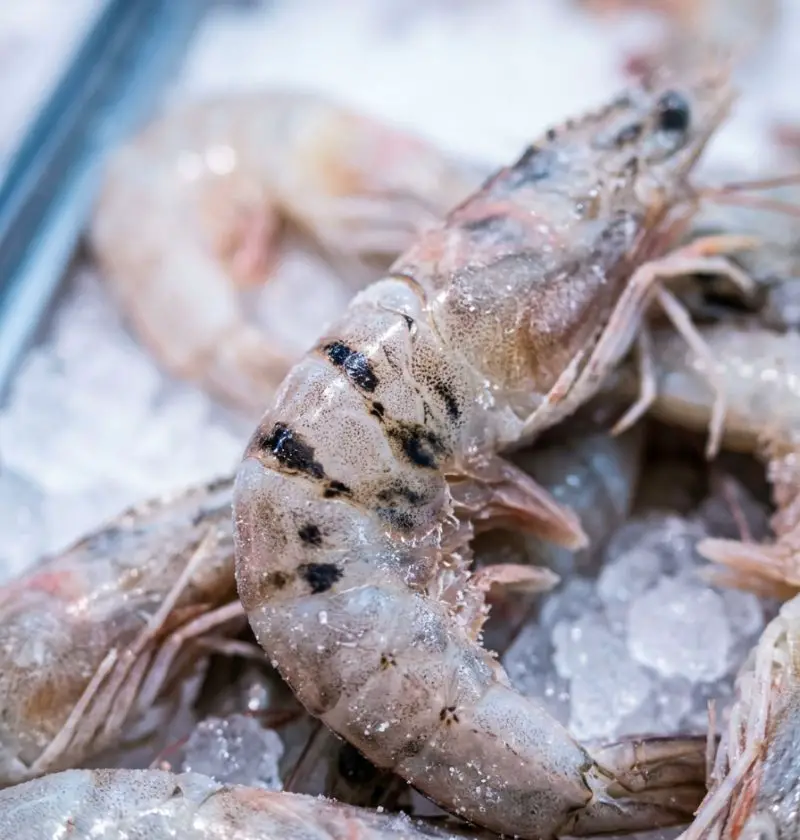
You pull a bag of frozen shrimp from the freezer, start planning shrimp scampi or maybe tacos for dinner, and then—wait. Black spots on the shells?
Instant panic.
Did they go bad? Is this rot? Should you throw the whole bag out?
Honestly, a lot of people assume the worst right away. Seafood can feel intimidating like that. One little thing looks off and suddenly dinner feels suspicious. But here’s the surprising part: those black spots are often completely harmless.
In fact, they usually have a name—melanosis—and while it sounds dramatic, it’s mostly a cosmetic issue. Not spoilage. Not decay. Not some seafood horror story.
And that’s good news, because tossing perfectly good shrimp is a shame (and let’s be honest, shrimp isn’t cheap).
Let’s clear this up.
Those Black Spots? They’re Usually Not Rot
The black specks or blotches you sometimes see on shrimp shells are often caused by melanosis, commonly called black spot.
It sounds worse than it is.
Think of it like an apple turning brown after you slice it. Same kind of idea. Oxygen meets enzymes, chemistry happens, color changes.
Shrimp do something similar after harvest.
Their shells can develop dark spotting when naturally occurring enzymes react with air. It can happen quickly—sometimes within hours after they’re caught if they’re not treated or chilled fast enough.
And yes, it can still show up in frozen shrimp.
That surprises people.
Freezing slows a lot down, but some enzymatic reactions may already have started before freezing. Sometimes the black spots show up more noticeably later.
Ugly? Maybe.
Dangerous? Usually not.
And that distinction matters.
So What Exactly Is Melanosis?
Let me explain.
Shrimp contain an enzyme called polyphenol oxidase. Once the shrimp is exposed to oxygen, that enzyme can trigger oxidation, producing dark pigments called melanin.
Same root word as the pigment in skin.
Science can be weirdly elegant like that.
This darkening stays mostly in the shell and outer surfaces. It doesn’t mean the flesh inside has spoiled.
Actually, the shrimp meat may be perfectly fine.
Sometimes people call melanosis “shrimp bruising,” though that’s not technically accurate—it just helps visualize what’s happening.
And warm-water shrimp? They tend to show it more often.
Wild Gulf shrimp, for example, can develop black spot faster than some farmed varieties.
That doesn’t make them low quality.
Sometimes it just means they weren’t heavily treated with preservatives.
Which, depending how you look at it, may be a plus.
But Wait—How Do You Know It Isn’t Spoilage?
Now this is the real question.
Because yes, shrimp absolutely can spoil.
Black spots alone aren’t the problem.
These are.
Warning signs shrimp may actually be bad:
- Strong ammonia smell (big red flag)
- Sulfur-like or sour odor
- Slimy coating
- Mushy or soft flesh
- Yellowing or gray discoloration in the meat
- Shell separating oddly from flesh
- Sticky texture
Fresh or properly frozen shrimp should smell clean and briny—like the ocean, not like a chemistry lab.
That ammonia smell? Trust it.
That’s often your cue.
And texture matters just as much.
Good shrimp should feel firm, springy.
Not limp.
Not gooey.
If the shrimp have black spots but smell fresh and feel firm, melanosis is likely all you’re dealing with.
Huge difference.
Black Spots Don’t Mean Shrimp Are Unsafe
This part surprises people most.
Melanosis does not make shrimp unsafe to eat.
It doesn’t infect the flesh.
It doesn’t mean bacteria.
It doesn’t change flavor much either.
It mostly affects appearance.
And sure—appearance matters. We eat with our eyes first.
But peel the shell off?
Problem basically gone.
You’d never know.
A lot of restaurant shrimp you’ve eaten probably had some degree of melanosis before peeling. You just never saw it.
Funny, right?
Why Frozen Shrimp Can Still Get Black Spots
People often assume frozen means frozen in time.
Not exactly.
Here’s the thing:
If melanosis began before freezing, freezing doesn’t erase it.
It preserves what’s already happening.
Also, if shrimp weren’t treated after harvest, those enzyme reactions may continue long enough before deep freezing to cause spotting.
That’s why even a sealed frozen bag can have shrimp with black shell marks.
Doesn’t automatically mean poor quality.
Sometimes it means minimally treated seafood.
And sometimes premium wild shrimp can show it more.
Counterintuitive, I know.
Why Some Shrimp Never Get Black Spots
Sulfites.
That’s often why.
Commercial processors sometimes use sodium metabisulfite or similar compounds to slow melanosis.
They keep shrimp looking prettier.
Cleaner.
More market-friendly.
And appearance sells.
Some labels may mention sulfites, though not always prominently.
There are also alternatives used in some processing:
- Citric acid
- Ascorbic acid (vitamin C)
- Ice glazing methods
- Rapid chilling systems
All meant to reduce black spot.
But here’s a mild contradiction worth mentioning:
Shrimp without black spots aren’t automatically fresher.
Sometimes they’re simply treated.
See what I mean?
Looks can mislead.
When You Really Should Toss Shrimp
Okay—when should you actually throw them out?
If you see black spots plus spoilage signs, don’t gamble.
Toss them if:
- They smell strongly of ammonia
- Flesh feels slimy
- Texture is mushy
- Freezer burn is severe
- Package was thawed and refrozen repeatedly
- They’ve been stored too long
- Ice crystals and discoloration suggest major quality loss
And if your instincts say something’s off?
Listen.
With seafood, caution isn’t overreacting.
It’s common sense.
How to Prep Shrimp With Black Spots
Easy.
Treat them like normal shrimp.
Rinse under cold water.
Peel.
Devein.
Cook.
Done.
The shell is where the black spotting usually lives anyway.
Once peeled, problem solved.
And shrimp cook fast—almost too fast.
A minute too long and they go rubbery.
(We’ve all done it.)
General rule:
- Medium shrimp: 2–3 minutes per side
- Large shrimp: 3–4 minutes
- Until opaque and pink
Don’t overthink it.
Garlic butter skillet shrimp? Great.
Grilled skewers? Perfect.
Coconut shrimp? Don’t get me started.
Buying Better Shrimp (Without Playing Seafood Roulette)
Want to avoid questionable shrimp altogether?
A few tricks help.
Look for:
- Firm, translucent flesh
- Clean ocean smell
- Well-frozen packages with minimal frost
- Reputable seafood brands
- Wild or responsibly farmed sources
- Individually quick frozen (IQF) shrimp
And if buying at a fish counter, ask questions.
Seriously—ask.
Good fishmongers love questions.
Ask:
- When were these packed?
- Wild or farmed?
- Sulfite treated?
- Previously frozen?
You learn a lot fast.
Brands like SeaPak and Whole Foods Market often provide sourcing details, which can help if transparency matters to you.
And honestly? It should.
A Few Common Myths—Cleared Up
“Black spots mean shrimp are rotten.”
Nope. Usually melanosis.
“You can’t eat spotted shrimp.”
You usually can.
“Only cheap shrimp get black spots.”
Actually false. Sometimes premium wild shrimp show it more.
“Frozen shrimp shouldn’t change color.”
They can.
See how much confusion there is around this?
No wonder people throw shrimp out unnecessarily.
So… Should You Be Worried?
Usually?
No.
If the shrimp smell fresh, feel firm, and only have shell spotting, those black spots are often just melanosis doing its harmless cosmetic thing.
Not pretty.
But harmless.
And honestly, once peeled and cooked in garlic, butter, lemon—who’s thinking about shell spots anymore?
Exactly.
So next time you open that frozen bag and notice a few black specks, don’t panic first.
Check smell.
Check texture.
Use your senses.
Then make dinner.
Because sometimes what looks alarming is just… shrimp being shrimp. And that’s all.