
Save This Recipe
You lift the lid on your slow cooker—finally. The house smells incredible, the kind of smell that makes you feel like you did something right today. You grab a fork, ready for that fall-apart moment…
And then you see it.
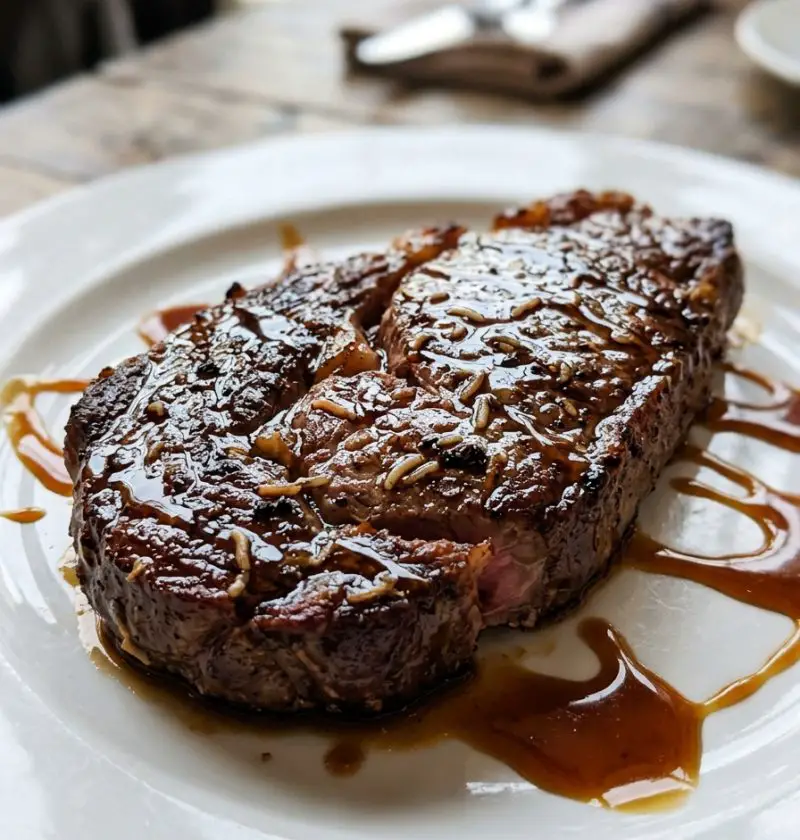
Thin, white, stringy Things running through the meat.
Yeah. Not exactly the cozy dinner vibe you had in mind.
For a split second, your brain goes somewhere dramatic. Worms? Parasites? Something… not okay?
Here’s the thing—take a breath. This happens more often than people admit.
And no, it’s almost never what you think.
First Reaction: “Is This… Alive?” (Totally Fair Question)
Let me say this upfront because it matters:
Those white stringy bits are very likely not worms.
In fact, in most home-cooked beef—especially something like a slow cooker roast—what you’re seeing is just part of the meat itself. Not foreign. Not dangerous. Just… misunderstood.
It looks weird. That’s the problem.
But looks can be a little misleading here.
Meat Isn’t Just Meat (Well… Not Exactly)
We tend to think of beef as one solid thing, right? A chunk of protein you cook and eat.
But it’s actually a mix of:
- Muscle fibers (the part you recognize as “meat”)
- Fat (flavor, tenderness—the good stuff)
- Connective tissue (this is where things get interesting)
That connective tissue is mostly made of collagen—a protein that holds everything together.
And here’s where it ties back to what you’re seeing.
Slow Cooking Changes Everything (In a Good Way… Mostly)
When you cook a roast low and slow, something pretty amazing happens.
That tough collagen breaks down and turns into gelatin.
That’s what gives you that melt-in-your-mouth texture. That rich, silky feeling in the sauce. That “this was worth the wait” bite.
But—and this is the part no one really talks about—it doesn’t always melt perfectly evenly.
Sometimes, it stretches. Sometimes, it clings together. And sometimes it turns into those white, stringy bits you’re staring at.
The “Why Is It Sticking Out?” Moment
Okay, this is the part that really throws people off.
Sometimes those strings don’t just sit quietly in the meat—they sort of stick out. Almost like they’re pushing their way out.
What’s happening is actually pretty simple.
As the meat cooks, the muscle fibers tighten and shrink. When they do, they push out the softer, broken-down collagen.
So what you’re seeing isn’t something new—it was always there. It just became more visible.
Kind of like when cheese melts out of a grilled sandwich… just less appealing to look at.
Real Talk: How This Differs From Actual Parasites
Let’s clear this up, because this is where most of the worry comes from.
Normal connective tissue (what you’re seeing):
- Irregular shape
- Soft, sometimes gelatin-like
- Pulls apart easily with a fork
- Blends into the meat
Actual parasites (extremely rare in cooked beef):
- More defined shape
- Separate from the meat structure
- Don’t shred like fibers
- Wouldn’t survive proper cooking anyway
Also—and this matters—beef sold in regulated markets goes through strict inspection.
So the odds here are very low.
When You Should Be Concerned
Now, this doesn’t mean “eat everything no matter what.” There are definitely times to walk away.
Trust your senses:
- Smell: Sour, rotten, or just off? That’s your sign.
- Texture: Slimy or sticky? Not good.
- Color: Gray-green or unusually patchy? Skip it.
Your nose is usually right. If it makes you hesitate, there’s probably a reason.
A Quick Word on Safety (Without Getting Too Technical)
If your roast has been cooking in a slow cooker for hours, chances are it’s well past the safe temperature zone.
For reference, food safety guidelines like those from the USDA recommend beef reach at least 145°F (63°C).
Slow cooker roasts usually go beyond that.
So from a safety standpoint, you’re covered.
Why It Happens More With Certain Cuts
If you’ve noticed this before, it’s probably not random.
Cuts like:
- Chuck roast
- Brisket
- Round roast
…are packed with connective tissue.
That’s actually why they’re perfect for slow cooking. They start tough, but with time, they become incredibly tender.
The trade-off is that you might see more of those stringy bits.
It’s part of the deal.
Can You Reduce It? A Little, Yes
If it really bothers you, there are a few simple things you can do:
- Trim excess connective tissue before cooking
- Sear the meat first for better texture
- Slice or shred after cooking to break up visible strands
Will it completely disappear? Not always.
But it can help.
So… Should You Eat It?
Here’s the honest answer.
If your roast smells fine, looks normal overall, and was cooked properly, you’re good.
Those white strings might not be pretty, but they’re harmless. In fact, they’re part of what makes slow-cooked beef so tender.
It’s one of those things that feels wrong until you understand it.
And once you do, you stop noticing it.
Final Thought (Because We’ve All Been There)
Cooking doesn’t always look as perfect as the photos. Real kitchens are a little messier than that.
Sometimes dinner comes with a moment of doubt. A pause. A quick search.
Totally normal.
But in this case, that roast you made—the one that’s been cooking all day—is probably exactly what it’s supposed to be.
Stringy bits and all.