
Save This Recipe
There’s always that moment.
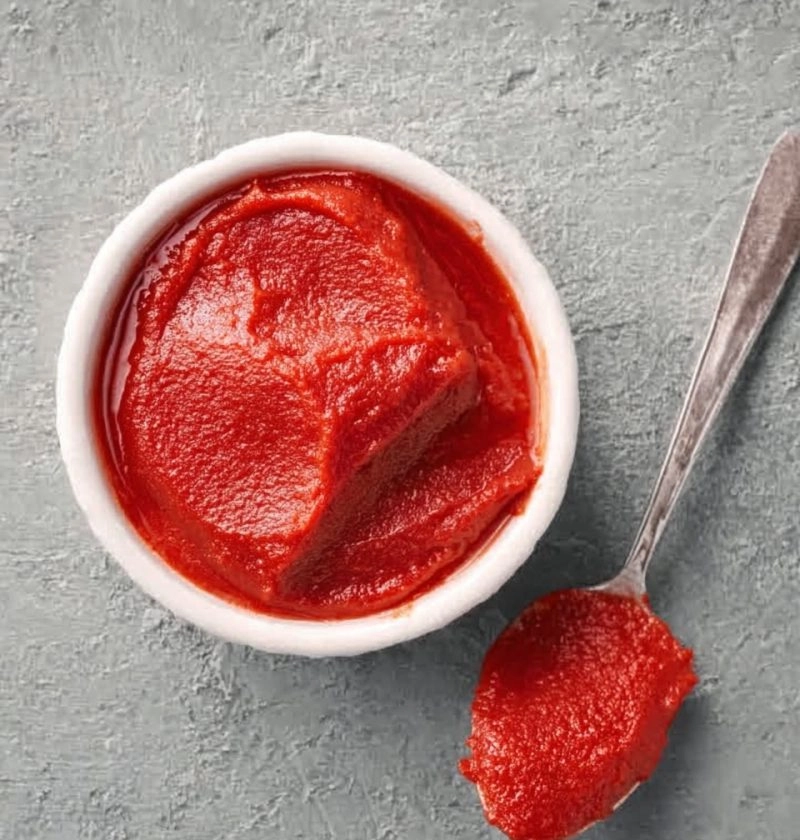
You open a can of tomato paste for something—maybe chili, maybe a quick pasta—and you scoop out what you need. A tablespoon, maybe two. That’s it.
And then you just… stand there for a second.
Because now you’ve got the rest of it.
You could cover it and put it in the fridge. You probably will. But if we’re being honest, there’s a decent chance it ends up forgotten behind the yogurt or that jar of pickles you swore you’d use last week.
It happens. More than we admit.
But here’s the funny part—tomato paste is one of those ingredients that’s actually way more useful than it looks. It’s just not obvious at first.
It’s Not Just “Extra Tomato Stuff”
I used to think tomato paste was basically just… thick tomato sauce. Like a backup ingredient you only touch when a recipe tells you to.
Not quite.
It’s concentrated. Like really concentrated. The kind of flavor that makes something taste like it’s been cooking longer than it actually has.
You know when a soup tastes a little flat, and you can’t explain why? That’s usually where tomato paste steps in and quietly fixes things.
It doesn’t take over. It just fills the gaps.
First, a Small Thing That Makes a Big Difference
Before anything else—don’t leave it in the can.
That metallic taste creeps in faster than you think. Just move it to a small container, cover it, done.
Or better—freeze it.
I started doing this almost by accident, just scooping little spoonfuls into an ice tray one night because I didn’t want to deal with it later. And now I do it every time. It’s one of those small habits that makes cooking feel easier.
You just grab a cube, Toss it in, and move on.

The “Cook It First” Trick (This Changes Everything)
Okay, this part matters more than anything else.
If you only remember one thing, make it this:
Don’t just stir tomato paste into liquid. Cook it first.
Let it sit in the pan with a little oil, maybe with onions or garlic. Give it a minute. It darkens slightly, smells deeper—almost a little sweet.
That’s when it works its magic.
Skipping this step is kind of like adding spices without toasting them. It’s not wrong… but you’re missing the good part.
The Ways I Actually Use It (Not Just in Theory)
I’m not going to pretend I use tomato paste in ten perfectly planned Ways every week. I don’t. It’s more random than that.
But here’s where it keeps showing up.
In soups, when something feels “off”
You ever taste a soup and think, this should be better than it is?
A spoon of tomato paste usually fixes that. Not always—but often enough that I try it without thinking now.
When I don’t feel like making a real sauce
There are nights where opening a jar feels like too much. You know those nights.
Garlic, olive oil, a bit of tomato paste, splash of pasta water—that’s dinner.
It’s thicker than regular sauce, kind of coats everything differently. In a good way.
On pizza, when I don’t have sauce (or forgot to buy it)
This happens more than I’d like to admit.
Tomato paste + olive oil + oregano + a tiny pinch of sugar. Spread it straight on.
Honestly? It works better than it should.
Mixed into whatever I’m cooking last-minute
Ground beef, beans, leftover vegetables—it doesn’t really matter.
If the pan looks a little dry or the flavor feels flat, I add a bit of tomato paste and let it cook in.
It’s like giving the dish a second chance.
Marinades (this one surprised me)
I didn’t expect this to be as good as it is.
Tomato paste, oil, garlic, something acidic—lemon or vinegar—and spices. Rub it on chicken or even just roasted vegetables.
It clings to everything and gives that slightly charred, almost grilled flavor.
Random spreads that shouldn’t work but do
I once mixed it into cream cheese because I didn’t have anything else for toast.
It was… actually really good.
Same with hummus. It just adds a little depth without making it taste like tomatoes, exactly.
A Slightly Odd Idea (But Stay With Me)
I’ve seen people use tomato paste in savory baking—like cheese muffins or herby breads.
At first I thought, no way.
But a small amount? It works. It’s not obvious. Just makes things taste a bit richer, like there’s something extra you can’t quite name.
So Why Do We Still Throw It Away?
Probably because it doesn’t shout for attention.
It just sits there. Quiet. Easy to forget.
And honestly, if you don’t already have a habit for using it, it’s not obvious what to do next.
But once you start reaching for it—just casually, not overthinking—it becomes one of those ingredients you rely on without realizing it.
One Last Thought (And Then I’ll Let You Go)
You don’t need ten new recipes.
You just need a few small habits:
- cook it first
- use a little at a time
- keep it ready (frozen helps a lot)
That’s it.
And somehow, that half-used can stops being a problem… and starts being useful.
Funny how that works.