
Save This Recipe
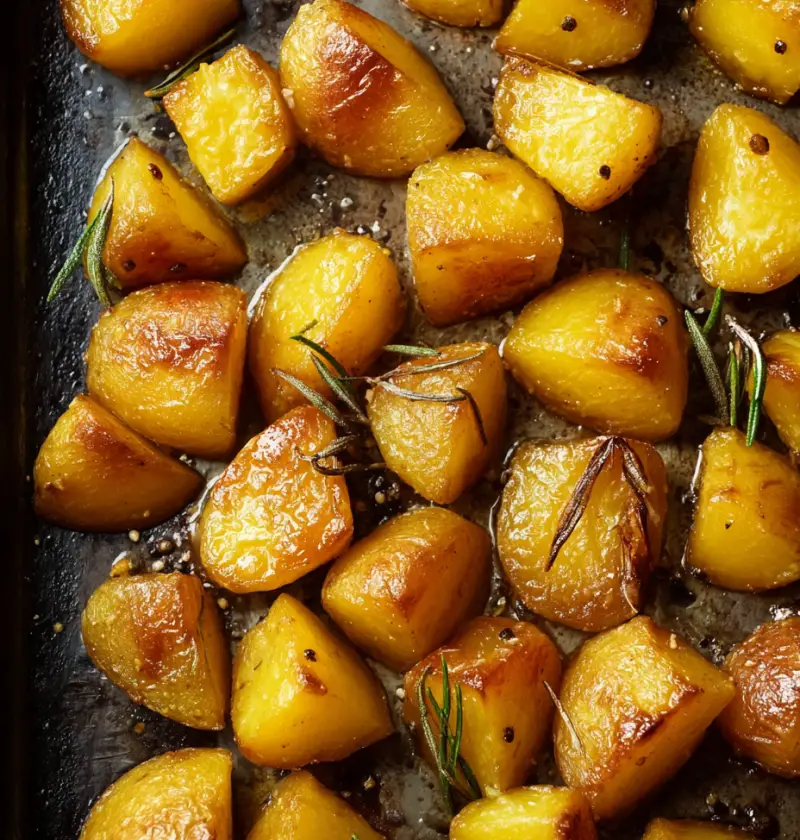
There’s a special kind of heartbreak that comes from pulling a tray of Potatoes out of the oven, expecting golden crunch… and getting something closer to damp cardboard. You followed the recipe. You waited patiently. You even cranked the heat a little higher than recommended because, hey, you were feeling bold. Still soggy. Still sad.
If that sounds familiar, you’re not alone. Crispy Potatoes look simple, but they’re sneaky. A handful of small missteps can quietly sabotage the whole batch. The good news? Once you understand what’s going wrong, the fix is surprisingly doable. Not fancy. Not precious. Just smarter cooking.
Let me explain.
The Moisture Problem Nobody Talks About
Water is the silent villain of crispiness. Potatoes hold a lot of it, and every drop sitting on the surface turns into steam once heat hits. Steam softens. It doesn’t Brown.
After rinsing or soaking, pat those potatoes dry like you mean it. Kitchen towels. Paper towels. Whatever you’ve got. Then give them a minute or two to air-dry. It feels fussy, but honestly, this step alone solves half the complaints people have about limp potatoes.
If the surface feels even slightly damp, you’re basically setting yourself up for steaming instead of browning. And nobody’s craving steamed fries.
Starch Isn’t the Enemy, But Too Much Is
Potatoes naturally carry starch, which is great for fluffy interiors. But excess starch on the outside makes pieces glue themselves together and blocks crisp edges from forming.
A quick soak in cold water helps rinse away that extra starch. Thirty minutes works well. Longer is fine if life gets busy. Rinse them afterward until the water runs clear, then dry them thoroughly again. Yes, again. I know. Cooking sometimes feels like a cardio workout for your arms.
You’ll notice the difference in how evenly they brown and how cleanly they separate in the pan.
Picking the Right Potato (Yes, It Matters)
You know what? Not all potatoes behave the same way. Some are born to crisp. Others just… aren’t.
Starchy potatoes like Russets and Yukon Golds give you that fluffy center and crisp shell. Waxy varieties, like red potatoes or fingerlings, hold their shape better but fight browning. They’re lovely in salads and stews, less cooperative in the crunch department.
If your goal is shatter-y edges and golden color, stack the odds in your favor with a starchy pick.
Knife Skills and Why Size Sneaks Up on You
Thickness changes everything. Big chunks take longer to cook through, so the outside often finishes before the inside is ready. Thin pieces crisp faster but can dry out if pushed too far.
Aim for consistency more than perfection. Half-inch chunks, wedges, or slices tend to balance fluffy interiors and crispy edges nicely. A mandoline helps if you like uniformity, but a steady hand works just fine.
Uneven cuts cook unevenly. That’s how you end up with one burnt corner and one pale, stubborn piece that refuses to brown. It’s annoying. Avoidable, too.
Crowding the Pan: The Silent Saboteur
Here’s the thing: when potatoes sit too close together, the moisture they release gets trapped. That trapped moisture creates steam. And once again, steam is the enemy of crunch.
Give each piece breathing room. A single layer with a little space between them is ideal. If you’re cooking for a crowd, split into batches or use two trays. Yes, it takes longer. But the payoff is worth it.
Crowded pans are like rush-hour traffic. Nobody moves efficiently.
Heat Levels and Why “Hot” Isn’t Always Hot Enough
Crispiness loves high heat. If the oven isn’t fully preheated or the pan hasn’t had time to warm up, the potatoes start cooking gently instead of searing.
For roasting, 425°F (220°C) is a reliable starting point. Let the tray preheat inside the oven so the potatoes sizzle on contact. That initial heat shock helps jumpstart browning.
If you’re frying, test the oil with a small potato scrap. If it doesn’t immediately sizzle, wait. Impatience leads to greasy results. We’ve all been there.
Fat Choices, Smoke Points, and Flavor Tradeoffs
Fat carries heat and helps create that golden surface. Oils with higher smoke points, like canola, vegetable, avocado, or peanut oil, tolerate higher temperatures without burning.
Olive oil adds flavor but can darken faster. Butter tastes amazing but browns quickly and needs careful attention. Sometimes mixing fats gives you both stability and flavor. A little olive oil blended with neutral oil works nicely.
Don’t be shy with the amount either. You don’t want them swimming, but a thin, even coating makes a big difference.
The Magic of Parboiling (Messy but Worth It)
This step feels like extra work until you taste the payoff. Parboiling partially cooks the inside so the outside can focus on crisping instead of catching up.
Boil the cut potatoes for about 5–7 minutes until the edges look slightly fuzzy but the centers still hold shape. Drain well. Let them steam dry for a minute. Shake them gently in the colander to rough up the edges. Those rough bits become crunchy gold later.
Yes, it dirties another pot. Yes, it’s worth it.
When Seasoning Helps and When It Hurts
Salt pulls moisture to the surface. If you salt too early, you’re inviting steam back into the picture.
A light seasoning before cooking is fine if the potatoes are very dry and hot, but heavier salting works better right after they come out of the oven or pan. Same goes for sauces or wet seasonings. Add them after crisping unless you enjoy soggy heartbreak.
Dry spices like paprika, garlic powder, or pepper can go on earlier without much trouble.
Hands Off: Let the Crust Form
It’s tempting to poke and flip constantly. Resist that urge. Potatoes need uninterrupted contact with heat to develop a crust.
Let one side brown fully before turning. When they release easily from the pan or tray, they’re ready to move. If they stick, they’re not done yet. Patience pays here, even if it feels uncomfortable.
Viral Hacks That Actually Earn Their Fame
Not every internet trick deserves attention, but a few genuinely help.
A light dusting of cornstarch after drying creates a thin coating that crisps beautifully. Baking soda in parboil water slightly breaks down the surface, encouraging rough edges and better browning. Both methods work when used lightly.
Skip the gimmicks that promise miracles with no technique behind them. Physics still runs the kitchen.
Your Tools Are Either Helping or Fighting You
Thin pans cool down quickly and warp under high heat. Heavy sheet pans, cast iron skillets, and carbon steel hold heat better and brown more evenly.
Air fryers circulate hot air aggressively, making them great for smaller batches. They’re not magic, but they’re efficient.
If you’ve ever noticed better results at a friend’s house, sometimes it’s not the recipe. It’s the pan.
The Overlooked Resting Moment
Once cooked, let potatoes sit for a minute or two before serving. This lets excess steam escape and allows the crust to firm slightly. Serve immediately after that short pause for peak texture.
It’s a tiny step that quietly improves results.
A Few Real-World Combos That Always Work
If you like shortcuts, here are a few reliable setups:
- Oven wedges: Russet potatoes, parboiled, dried thoroughly, tossed with neutral oil and dry spices, roasted on a preheated tray at high heat.
- Skillet cubes: Yukon Golds, soaked and dried, cooked in a cast iron pan with enough oil to coat the surface, left undisturbed until deeply browned.
- Air fryer fries: Thin-cut Russets, soaked, dried aggressively, lightly coated with oil and cornstarch, cooked in small batches.
Simple. Repeatable. Satisfying.
A Final Word (And a Little Encouragement)
Crispy potatoes aren’t about fancy tricks or rigid rules. They’re about moisture control, heat, space, and timing. Once those pieces click, everything gets easier. You start trusting your instincts. You adjust on the fly. You stop blaming the potatoes and start working with them.
Honestly, that first batch that finally comes out golden and crunchy feels like a small personal victory. And you earned it.
Next time the oven’s humming and the kitchen smells faintly of roasted starch and oil, you’ll know exactly what to do.
And your potatoes? They’ll finally behave.