
Save This Recipe
There are few things more comforting than a pot of pasta bubbling away on the stove. Steam fogs up the kitchen window. Garlic sizzles in a pan. Someone sneaks a noodle straight from the colander like it’s a guilty pleasure snack. You know the scene.
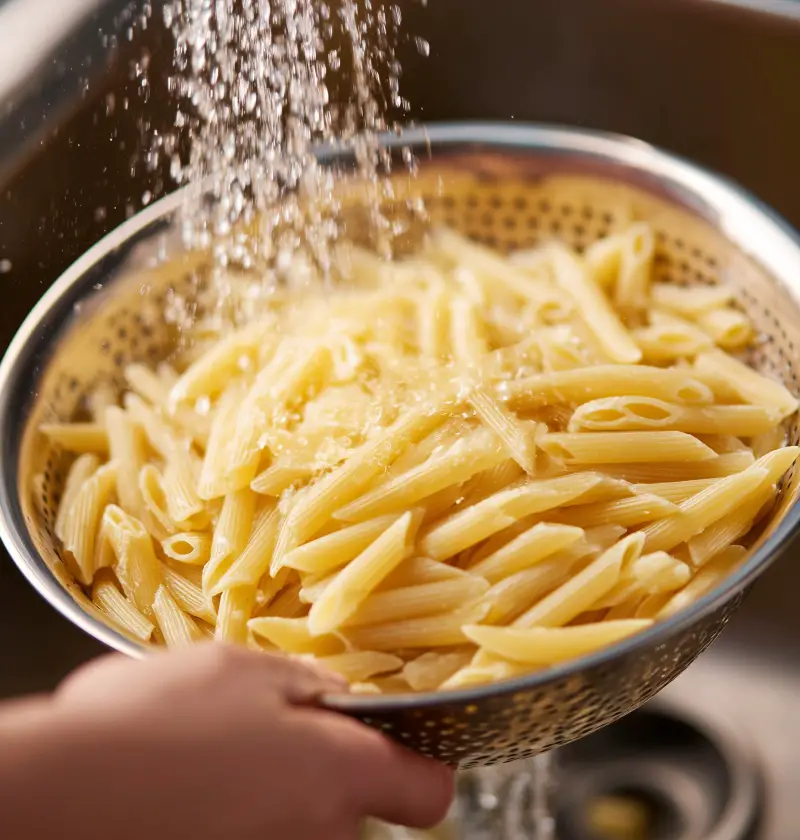
Recently, my partner made spaghetti with marinara — honestly, it smelled amazing. But when they drained the pasta, they skipped the rinse. No water. No pause. Straight into the sauce.
Cue my dramatic gasp.
That tiny moment sparked a full-blown kitchen debate later with friends. Should pasta be rinsed after cooking? Is skipping that step culinary courage or a rookie mistake? Everyone had opinions. Loud ones.
Here’s the thing — both sides have a point. And the real answer isn’t nearly as rigid as people make it sound.
Let me explain.
Why a Simple Step Causes Big Feelings
Food is emotional. It’s memory, habit, culture, and comfort all tangled together like… well, spaghetti. If you grew up watching someone rinse pasta religiously, it sticks. If your nonna would’ve side-eyed you for even suggesting it, that sticks too.
Cooking routines become muscle memory. When someone breaks them, it feels oddly personal. Silly? Maybe. Human? Absolutely.
And pasta is everywhere — quick dinners, potlucks, lazy Sundays, midnight cravings. So this debate keeps resurfacing like a stubborn noodle at the top of the pot.
What Happens to Pasta When It Cooks (The Nerdy Part, Lightly)
When dry pasta hits boiling water, starch granules inside the dough soak up moisture and swell. Some of that starch leaks into the water and coats the surface of the noodles. That coating gives pasta its slightly slick, sometimes sticky feel.
That starch layer can:
-
Help sauce cling
-
Make noodles stick together if left alone
-
Slightly soften texture as it sits
Temperature matters too. Hot pasta keeps cooking even after draining. Cold water stops that process almost instantly.
So yes — rinsing changes texture, surface feel, and how sauces behave. It’s not just superstition.
The Case for Rinsing Pasta (Yep, It Exists)
Rinsing gets a bad rap in certain circles, but it’s not the villain people make it out to be.
First, it helps separate noodles. If you’ve ever dumped drained pasta into a bowl only to discover a tangled carb brick five minutes later, you know the struggle. Water washes away some surface starch and reduces cling.
Second, rinsing cools pasta fast. That’s gold for:
-
Pasta salads
-
Cold noodle bowls
-
Dishes that need quick mixing without residual heat
Nobody wants wilted herbs or melted cheese in a cold dish. A quick rinse solves that problem without fancy equipment.
Third, texture control matters. Some people genuinely prefer pasta that feels lighter and less sticky on the tongue. Food enjoyment isn’t a courtroom verdict. It’s personal.
Honestly, if rinsing makes you happy and the dish tastes good, who’s judging? (Well… Italians might, but still.)
The Case Against Rinsing Pasta (Also Fair)
Now for the other side — the one that tends to get louder.
That starch coating acts like edible glue. It helps sauces grab onto the pasta instead of sliding right off and pooling at the bottom of the plate. Thick tomato sauces, creamy Alfredo, pesto — they all benefit from that grip.
Rinsing can wash away subtle wheat flavor too. Pasta itself has character, especially good-quality brands like De Cecco or Rustichella d’Abruzzo. Water dilutes that natural taste slightly.
There’s also tradition. In many Italian kitchens, rinsing hot pasta simply isn’t done. The pasta goes straight from pot to pan so the sauce can marry into every curve and ridge. It’s about cohesion, not separation.
Different goal, different move.
Sauce Chemistry — Why Some Sauces Behave Better Than Others
Here’s where it gets interesting.
Sauces fall into loose personality types:
-
Thick and clingy: tomato ragù, cream sauces, cheese blends
-
Light and slippery: olive oil, broth-based sauces, citrus dressings
-
Cold and fresh: vinaigrettes, yogurt blends, sesame dressings
Starch helps thick sauces coat evenly. Rinse that starch away and the sauce may slide off like rain on a windshield.
But lighter sauces sometimes benefit from a cleaner surface. Rinsed noodles won’t feel gummy or heavy, which keeps the dish feeling bright and fresh.
So the sauce decides more than the pasta does. Funny how that works.
Different Kitchens, Different Rules
Travel a little — or just scroll food videos long enough — and you’ll see wildly different noodle habits.
Italian cooking tends to keep starch intact for sauce bonding.
Japanese soba noodles are rinsed and sometimes iced for springy texture.
Korean glass noodles get rinsed to remove surface residue before seasoning.
Chinese wheat noodles are often rinsed for stir-fries to control sticking.
Same idea — noodles — wildly different goals. Cultural rhythm shapes technique.
Food doesn’t live in a vacuum. It lives in people’s homes, histories, and daily habits.
Pasta Myths That Refuse to Die
Some kitchen myths stick around like overcooked elbows in a casserole dish.
Myth: Oil in boiling water stops sticking.
Truth: Oil floats. It doesn’t coat the pasta in the pot. Stirring does more work.
Myth: Rinsing is always wrong.
Truth: Context matters. Cold dishes benefit from rinsing.
Myth: Pasta water is useless.
Truth: That cloudy liquid is liquid gold for sauce texture.
Funny how cooking advice travels faster than corrections.
Viral Pasta Hacks — Fun, But Not Gospel
Social media loves dramatic food tricks. Ice baths for noodles. Salt rinses. Strainer flips. Some work. Some just look cool on camera.
A few creators swear by cold rinsing for extra bounce. Others claim rinsing removes excess salt if someone went heavy-handed. Both can help occasionally, but they’re situational tools, not universal rules.
Honestly, experimentation keeps cooking fun. Just don’t let trends override common sense or flavor.
Oops — My Pasta’s a Mess. Now What?
We’ve all been there. Dinner’s almost ready and the noodles are clumped, dry, or slightly weird.
Quick fixes:
-
Toss with a splash of warm pasta water to loosen strands
-
Add a drizzle of olive oil if separation matters
-
Warm the sauce and combine aggressively — motion helps
-
If it’s truly sticky, a brief rinse won’t ruin your life
Cooking isn’t fragile. It’s forgiving. Most problems have a fix if you stay calm and curious.
Weeknight Pasta Wisdom (The Real-Life Version)
Perfection is nice. Dinner that gets eaten is nicer.
A few grounded tips:
-
Use plenty of water so noodles move freely
-
Salt generously — pasta should taste seasoned alone
-
Stir early in cooking
-
Taste sooner than the package says
-
Match your rinse choice to the dish goal
-
Keep some pasta water before draining
Cooking isn’t rigid math. It’s pattern recognition mixed with instinct.
So… Should You Rinse Pasta or Not?
Here’s the honest answer — sometimes yes, sometimes no.
Rinse when:
-
Making cold pasta dishes
-
You want lighter texture
-
Preventing immediate clumping matters
Skip rinsing when:
-
Serving hot pasta with sauce
-
Flavor depth matters
-
You want sauce to cling naturally
The kitchen isn’t a courtroom. It’s more like jazz — structure with room to riff.
Next time you’re standing over the sink with a colander and a decision, trust the dish you’re making, not the argument you heard online.
And if someone debates you about it later? Smile. Pass the garlic bread. Let the noodles speak for themselves.