
Save This Recipe
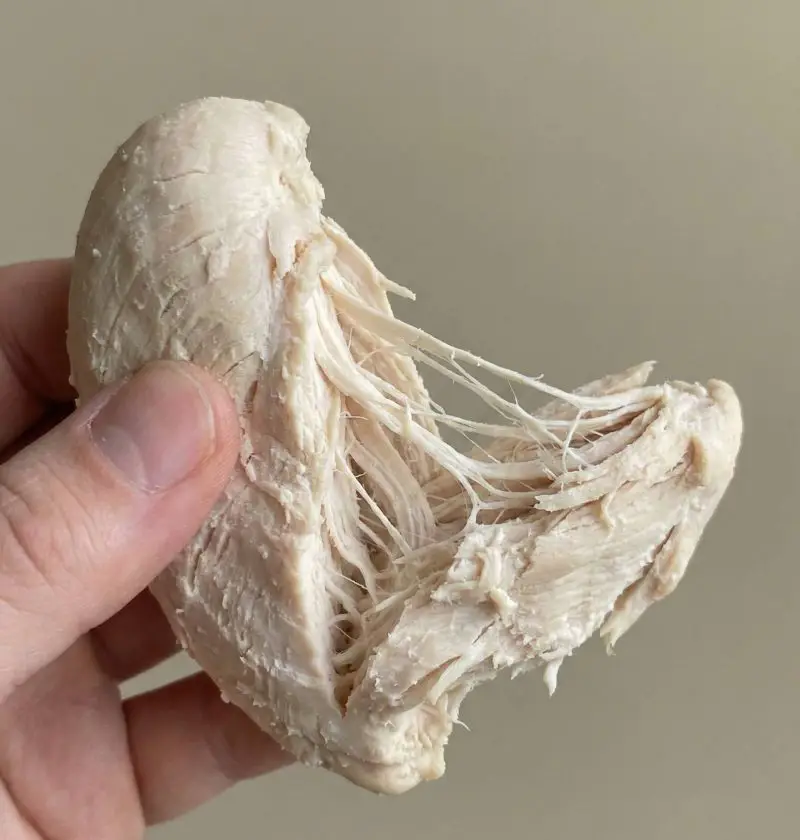
Baked Chicken is one of those meals we lean on. Weeknights, meal prep Sundays, family dinners when nobody agrees on anything except “fine, chicken’s okay.” It should be easy. Season, bake, done. Yet somehow, it’s also one of the most common kitchen heartbreaks. You pull the pan out, cut into that beautiful-looking piece, and… well. Let’s just say you start reaching for extra sauce real fast.
If this sounds familiar, you’re not alone. I’ve been cooking for a long time, and I still remember plenty of dry, stubborn chicken dinners from my early days. Some from last month, if we’re being honest. So what’s going on? Why does baked chicken, especially breast meat, turn on us so easily?
Here’s the thing. Chicken is simple, but it’s not forgiving. A few small missteps stack up fast, and suddenly you’re chewing and wondering where it all went wrong.
Let’s talk through the real reasons, the practical fixes, and a few kitchen truths that don’t always make it into recipe cards.
Chicken Is Lean, and Lean Meat Doesn’t Cut You Much Slack
Chicken breast is basically the marathon runner of proteins. Very little fat. Lots of protein. Which is great for certain goals, but not so great for moisture when heat gets involved.
Fat protects meat during cooking. It slows moisture loss. Chicken breast doesn’t have much of it, so once it goes past a certain point, the juices pack up and leave. Quickly.
Most recipes still suggest baking at 350°F for 30 to 40 minutes. That can work, sure. But thickness, starting temperature, and your oven all play a role. Plenty of breasts are done long before that timer beeps.
Safe-to-eat chicken hits 165°F in the thickest part. That’s the finish line. Not 180. Not “just to be sure.” Every extra degree dries it out a bit more.
If you cook chicken often, a simple digital thermometer is worth its weight in olive oil. You stop guessing. You stop slicing to check. You just know.
And that alone saves a lot of dinners.
Your Oven Might Be Playing Games With You
Ovens are like old cars. They get you where you need to go, but the speedometer isn’t always telling the truth.
Many home ovens run hot. Some run cool. And some swing back and forth like they can’t make up their mind.
An inexpensive oven thermometer sitting on the middle rack will tell you what’s really happening in there. If you set 375 and it’s actually closer to 410, that chicken is taking a beating whether you realize it or not.
Once you know your oven’s personality, you can adjust. Maybe you turn it down a notch. Maybe you shorten cook times. Either way, you’re cooking with better information, and that always helps.
Thick Chicken Breasts Cook Like Two Different Pieces of Meat
Have you noticed how chicken breasts are shaped like little mountains? Thin at one end, thick and proud at the other.
That shape is not your friend.
By the time the thick part reaches 165°F, the skinny end has already passed its comfort zone and moved straight into dry territory.
Two easy fixes:
-
Slice breasts horizontally so you get two thinner cutlets
-
Or gently pound them to a more even thickness
It doesn’t have to be perfect. Just closer to flat than football-shaped.
Even thickness means even cooking, shorter bake times, and far fewer dry edges.
Honestly, it’s one of the simplest habits that makes a big difference.
A Quick Soak Can Change Everything
People hear “brine” and think of big buckets and long waits. But chicken doesn’t need much.
A basic brine is just Water and salt, sometimes a spoon of sugar. Even 30 minutes can help chicken hold onto more moisture while it bakes.
Marinades work too, especially if they include a little oil and something mildly acidic like lemon or yogurt. They add flavor, yes, but they also help the surface stay tender.
This is especially helpful if you buy big packs of chicken and bake it plain for meal prep. A little seasoning and moisture up front makes the Leftovers much nicer later on.
And you don’t have to plan it hours ahead. Even a short soak while the oven heats up counts.
Skin and Bones Are Doing More Work Than You Think
I know, I know. Skinless and boneless feels cleaner. Faster. Less mess.
But skin and bones act like built-in insulation.
Bones help distribute heat more gently through the meat. Skin protects the surface and adds fat that slowly melts and bastes the chicken while it cooks.
That’s why bone-in, skin-on thighs are so forgiving. You can overcook them a bit and they still stay juicy.
If you prefer boneless, that’s fine. Just know you may need to add moisture another way, like:
-
Baking in a covered dish
-
Adding broth or sauce to the pan
-
Brushing with oil or butter before baking
It’s not about guilt. It’s about knowing what you removed and putting a little help back in.
Dry Pan, Dry Results
Setting chicken in a bare baking dish with no added moisture is kind of like sending it into the desert with no water bottle.
A little fat goes a long way. Olive oil, melted butter, even a light coating of mayo (yes, really) can protect the surface from drying out too fast.
Better yet, build a little environment in the pan:
-
Sliced onions
-
Cherry tomatoes
-
Zucchini or bell peppers
-
A splash of broth or wine
As those cook, they release steam and juices, which help keep the chicken from drying while adding flavor to everything else. Plus, dinner feels more complete when the veggies are already there.
One pan, less fuss, better chicken. Everybody wins.
Timers Are Helpful, Not Law
I use timers. All the time. But I don’t trust them alone when it comes to chicken.
Cook time depends on:
-
Thickness
-
Bone-in or boneless
-
Oven accuracy
-
Whether the chicken started cold
That’s a lot of variables.
A thermometer in the thickest part takes the stress out of it. When it hits 160°F, I pull it and let carryover heat finish the job during resting.
That little buffer keeps the meat from crossing into dry land.
It’s one of those tools that quietly makes you feel like a better cook, even on tired days.
Starting Conditions Matter More Than We Admit
If your chicken goes into the oven ice-cold from the fridge, the outside starts cooking while the inside lags behind. That can push you to leave it in longer, which dries the edges.
Letting chicken sit out for 15 to 20 minutes before baking helps it cook more evenly. Not hours. Just enough to take the chill off.
Also, pat it dry before seasoning. Wet surfaces don’t brown well, and excess moisture can mess with texture.
And yes, quality matters too. Chicken that’s been frozen and thawed several times, or pumped full of solution, doesn’t behave the same way in the oven.
You don’t need the fanciest organic bird on the shelf, but decent-quality chicken does tend to stay juicier and taste better.
Your Pan Setup Might Be Working Against You
Small details, but they add up.
If you use a rack over a sheet pan, air circulates all around the chicken, which helps it cook evenly and brown better. But it also means no pan juices to keep things moist, so brushing with oil is extra important.
Foil can help, but sealing chicken tightly can make it steam instead of bake, which leads to rubbery texture. A loose tent works better if you’re trying to protect the top from browning too fast.
Glass dishes heat differently than metal. Dark pans cook hotter than shiny ones. None of this is dramatic on its own, but together, it explains why the same recipe behaves differently in different kitchens.
Once you notice these patterns, you can adjust without even thinking about it.
Cutting Too Soon Is Like Letting All the Good Stuff Run Away
When chicken comes out of the oven, the juices are still moving around inside. If you slice right away, they spill out onto the board instead of staying in the meat.
Let it rest five to ten minutes. Not long enough to get cold, just long enough for things to settle down.
You’ll see the difference. The slices stay moist. The texture improves. And you don’t need nearly as much sauce to make it feel satisfying.
It’s a small pause that pays off.
Some Cuts Just Behave Better in the Oven
Not all chicken is created equal when it comes to baking.
Breasts are popular, but thighs and drumsticks are much more forgiving because they contain more fat and connective tissue. That means they stay tender longer and don’t dry out as fast.
If your goal is easy, reliable results, try:
-
Bone-in thighs for sheet pan dinners
-
Drumsticks for casual family meals
-
Whole cut-up chicken for weekend roasting
Breasts still have their place, especially for salads and sandwiches, but they do ask for more attention.
Sometimes the easiest fix is choosing a cut that gives you a little grace.
Higher Heat and Newer Methods Actually Make Sense
We were taught for years that lower heat was safer for chicken. But quick, higher-heat roasting can actually keep meat juicier by sealing the outside faster.
Baking at 425°F shortens cooking time and improves browning. Less time in the oven means less moisture loss.
And techniques like flattening a whole chicken so it cooks evenly? They look fancy, but they’re really just about making heat reach every part at the same rate.
Social media didn’t invent these ideas, but it did remind people that faster doesn’t always mean worse when it comes to roasting poultry.
You still need to watch temperature, but the results can be surprisingly good.
Leftovers Deserve Better Than the Microwave Alone
Let’s talk about the next day, because reheating is where a lot of chicken truly suffers.
Microwaves pull moisture out of meat fast. That’s why leftover chicken often feels tougher than it did fresh.
A few kinder ways to reheat:
-
Cover and warm gently in the oven with a spoon of broth
-
Steam briefly on the stovetop
-
Add to soups, casseroles, or Pasta where moisture is already present
If you must use the microwave, cover it and add a damp paper towel. Lower power helps too.
Leftover chicken can still be lovely. It just needs a little kindness.
So, Is Perfect Baked Chicken a Myth?
Not at all. It just asks for a bit of attention and a few small habits that stack in your favor.
Even thickness. Reasonable heat. Enough moisture. Trusting temperature over timers. Letting it rest.
None of this is fancy. It’s just cooking with awareness instead of autopilot.
And honestly, once you start noticing these things, baked chicken stops feeling like a gamble and starts feeling like what it should be: dependable, comforting, and flexible enough to fit whatever mood your kitchen is in that night.
Some days it’s lemon and herbs. Other days it’s barbecue sauce and sweet potatoes on the same pan. Sometimes it’s sliced cold over salad straight from the fridge.
It doesn’t have to be perfect. It just has to be good enough that nobody’s reaching for extra sauce out of desperation.
And if a piece does turn out dry once in a while? Well, that’s what soups, tacos, and casseroles are for. We’ve all been there.