
Save This Recipe
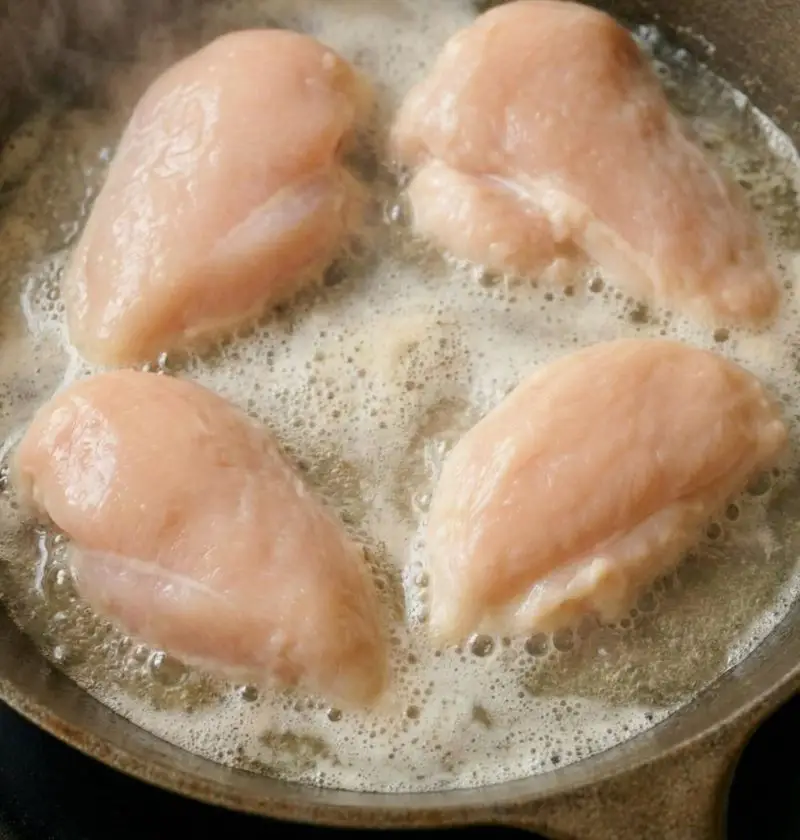
If you’ve ever stood at the stove, spoon in hand, staring down a pot of simmering Chicken that suddenly looks like it’s wearing a bubble bath, you’re not alone. Plenty of good cooks have paused right there and thought, Well… that can’t be right.
It looks odd. A little unsettling, even. And when food starts acting strange, our brains go straight to Is this safe? Did I mess something up?
Here’s the thing. That White Foam is far more ordinary than it looks. Boring, even. Once you know what it is, you’ll probably shrug, skim it off if you feel like it, and keep right on cooking supper.
Let me explain.
So What Is That White Stuff, Anyway?
Short answer? Protein and water.
Chicken muscle holds onto water, and that water has dissolved proteins mixed in. As the chicken heats up, those muscle fibers tighten. When they do, they squeeze out some of that liquid. The proteins in it—mostly one called albumin—meet heat and change shape. They clump together. That’s the white stuff you see floating around.
Nothing added. Nothing artificial. Just chicken being chicken.
The amount you see can change from one batch to the next, and that’s where folks get suspicious. But variation doesn’t mean something’s wrong. It just means chicken isn’t a factory-made cookie.
Albumin, Meet Your Frying Pan
Albumin is a protein found in all sorts of animal muscle. It’s especially noticeable in chicken and fish. You’ve seen it before, even if you didn’t know its name.
Think about egg whites. Clear when raw, bright white when cooked. Same idea. Heat causes the protein to unfold and grab onto its neighbors. They stick together and turn opaque.
When chicken cooks in liquid, those proteins have somewhere to go, so they float to the top and gather. When chicken cooks dry—say, roasting in the oven—you usually won’t see foam, but you might notice little white patches on the surface. Same protein, just stuck in place.
Kitchen science, but the friendly kind.
Why Chicken Shows Foam More Than Other Meats
Ever notice you don’t see this much when cooking beef? Or pork chops?
Chicken has:
-
More water
-
Leaner muscle
-
Proteins that release easily
Less fat means there’s nothing to hide what’s happening in the pot. Beef broth might have foam too, but it blends in with darker juices and gets lost in the mix.
Chicken, especially when simmered for soup or poached for salads, shows everything. It’s honest like that.
Also, many packages of chicken are labeled “enhanced with up to X% solution.” That’s a polite way of saying salt water was added to keep it juicy. Helpful for tenderness, yes. But extra water means extra protein floating out when heat hits.
Fresh vs. Frozen: It Does Make a Difference
Frozen chicken often makes more foam, and that’s not your imagination.
Freezing forms tiny ice crystals inside the meat. Those crystals poke holes in cell walls. When the chicken thaws, more liquid leaks out. Along with it, more protein.
So when that chicken cooks, there’s more stuff available to rise up and collect.
Fresh chicken usually keeps its structure better, so less escapes all at once. Still, you may see foam either way. Just more or less of it.
Does Foam Mean the Chicken Has Gone Bad?
Nope. Not even close.
Foam tells you nothing about freshness.
What does matter?
-
A sour or rotten smell
-
Slimy coating that doesn’t rinse off
-
Gray or green patches
If you see or smell those, the chicken goes in the trash, no debate.
But white foam during cooking? That’s not a warning sign. It’s just physics doing its thing while you stand there stirring.
Safe to Eat, or Should You Skim It Off?
Completely safe.
It won’t hurt you. It won’t make you sick. It’s just cooked protein and water.
Now, do people skim it off anyway? Sure. I do, depending on what I’m making.
If I’m cooking:
-
Soup
-
Stock
-
Poached chicken for salads
I’ll usually skim the foam because I like a clear broth. It looks nicer, and let’s be honest, we eat with our eyes first.
If I’m pan-frying or baking? I don’t worry about it. If a little white patch shows up on the meat, it disappears once things brown.
So this one’s more about looks than safety.
Cooking Method Matters More Than You Think
Some ways of cooking make foam easier to spot.
Simmering or Boiling
This is where foam gets famous. Proteins drift into the liquid, float up, and collect at the surface. Easy to see, easy to skim.
Pan-Frying
You might see white liquid pooling around the chicken at first. That’s moisture escaping. If the pan’s hot enough, it cooks off and browning starts.
Baking or Roasting
The proteins stay close to the surface. You may notice pale spots, but no floating foam party.
Grilling
Same deal. High heat seals the outside quickly, so you usually won’t see much at all.
If you see lots of foam in a skillet, that’s a clue your pan might not be hot enough, or it’s crowded. Which brings us to…
Brines, Marinades, and “Extra Juicy” Packaging
I love a good brine. Makes chicken tender and forgiving. But it does increase moisture inside the meat.
More moisture = more liquid released during cooking = more protein showing up.
Marinades can do the same, especially if they’re watery. Even yogurt-based ones can create a little white residue as proteins mix and heat.
And those supermarket packages that promise Juicy Chicken? They’re not lying. They just come with a side of foam sometimes.
Trade-offs. Cooking is full of them.
Crowded Pans and Low Heat: A Steamy Situation
This is where a lot of cooks get tripped up.
When you pack too much chicken into one pan:
-
Moisture can’t escape
-
Heat drops fast
-
Meat starts to steam instead of brown
So instead of sizzling, you get bubbling liquid and floating white bits. It looks odd, smells fine, and tastes… fine, but not great.
Here’s what helps:
-
Cook in batches if needed
-
Let the pan heat fully before adding chicken
-
Don’t rush the preheat
Yes, it takes longer. But supper tastes better, and the pan behaves itself.
Cook Tricks to Keep Foam from Taking Over
You can’t stop protein from being protein, but you can keep it from stealing the show.
A few simple habits help:
-
Pat chicken dry before cooking
-
Use a hot pan when browning
-
Skim foam gently when simmering
-
Keep simmer gentle, not a rolling boil
-
Avoid crowding the pot or skillet
Nothing fancy. Just good kitchen manners.
TikTok Hacks and Kitchen Folklore
Every few months, social media decides there’s a miracle fix for foamy chicken.
I’ve seen folks suggest:
-
Vinegar in the water
-
Baking soda
-
Salt before cooking
-
Cold starts vs. hot starts
Some of these change how proteins behave. Acid can tighten them faster. Baking soda changes texture. Salt pulls moisture out sooner.
But here’s the honest truth:
Most of these “fixes” mess with flavor or texture more than they solve anything.
You may end up with rubbery chicken that doesn’t foam much, but that’s not much of a win, is it?
If you like to experiment, have at it. Just don’t feel like you need a trick. Chicken foam isn’t a problem to solve. It’s just a thing that happens.
When White Stuff Isn’t Just Albumin
Now, let’s not pretend every strange sight in the kitchen should be ignored.
Foam is normal. But if you see:
-
Thick slime before cooking
-
Strong sour or sulfur smell
-
Gray-green coloring
-
Sticky residue that doesn’t rinse off
That’s different. That’s spoilage, and no amount of cooking makes that okay.
Trust your senses. They’ve been keeping humans alive in kitchens for a very long time.
What Foam Can Tell You About Doneness and Texture
Here’s an interesting little side note.
As chicken heats and releases proteins, it’s a sign that heat is working its way inside. But if you see lots of liquid pouring out, that can also hint that the meat is getting tight and pushing moisture out fast.
Which can mean dryness later on.
That’s why Slow, gentle cooking for soups and fast, hot cooking for browning both work well. They just handle moisture differently.
Still, foam is not a doneness test. Your best friend is a thermometer. Chicken is safe at 165°F in the thickest part. Pull it there, and you’re in good shape.
Juicy, tender, no guesswork.
A Little Perspective from Someone Who’s Cooked a Lot of Chicken
I’ve cooked chicken when the kids were small and the clock was ticking and homework was melting down at the table. I’ve cooked it for Sunday suppers and neighborhood potlucks and quiet nights when cereal almost won.
That white foam? It’s been around for every stage of life.
Once you know what it is, it loses its power to worry you. It’s not a sign of failure. It’s not a sign of danger. It’s just protein doing what protein does when heat shows up.
Skim it if you want pretty broth. Ignore it if you’re in a hurry. Either way, dinner will still be dinner.
And honestly? That’s what matters most.
So next time your pot starts looking like it needs bubble bath instructions, take a breath, give it a gentle stir, and keep cooking. You’ve got this.