
Save This Recipe
You know that feeling when the electric bill shows up and you squint at it like it personally offended you? Same. You haven’t changed much—same routines, same lights, same coffee habits—yet somehow the number keeps inching upward.
Here’s the thing. A good chunk of that cost comes from devices that aren’t even doing anything. They’re just… there. Plugged in. Waiting. Quietly nibbling away at your electricity.
This sneaky habit has a name—phantom load, sometimes Called vampire power—and it’s one of those small problems that adds up faster than you’d expect.
Let me explain.
So What Is Phantom Power, Really?
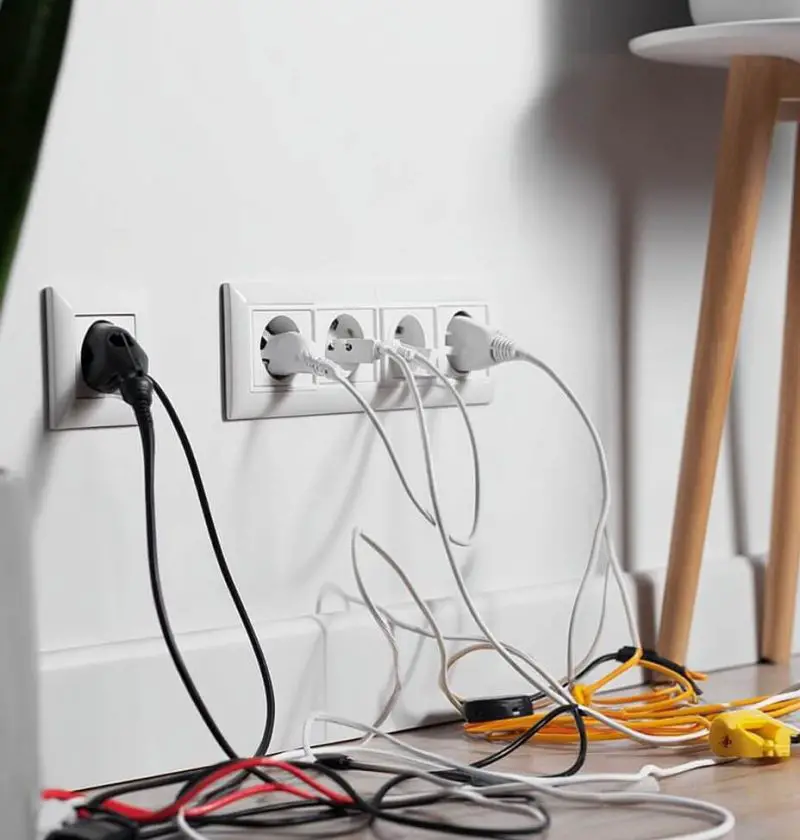
Phantom power is the electricity devices use when they’re technically “off” but still plugged in. Think digital clocks, glowing standby lights, or anything that wakes up instantly when you touch a button.
Individually, it feels harmless. A watt here, a watt there. But across an entire home, year after year? That wasted energy can account for a noticeable slice of your power use—often close to ten percent.
Ten percent. That’s groceries. Or a couple of dinners out. Or the fancy olive oil you pretend you won’t splurge on again.
Why the Little Stuff Matters More Than You Think
Here’s where people get tripped up. They focus on big appliances—washers, dryers, refrigerators—because those feel important. And yes, they matter.
But phantom energy is death by a thousand tiny cuts. Chargers in every room. Entertainment systems humming quietly all night. Office equipment sitting idle for days.
It’s not dramatic. It’s persistent.
The Usual Suspects (You’ll Recognize These)
1. Phone Chargers That Never Rest
Chargers draw power even when nothing’s attached. One charger alone won’t bankrupt you, but multiply that by bedrooms, kitchens, cars, and workspaces, and suddenly it’s a habit worth fixing.
Unplugging takes two seconds. Honestly, that’s the easiest win on this list.
2. Microwaves with Glowing Clocks
That bright green clock? It runs all day, every day. If you don’t actually use the microwave timer, that display is just burning energy for decoration.
If unplugging feels annoying, consider plugging it into a switch-controlled outlet or power strip.
3. Cable Boxes and Streaming Devices
These are some of the worst offenders. Even “off,” many cable boxes draw more power than you’d guess. Streaming sticks are better, but they still sip electricity around the clock.
A power strip tied to your TV makes shutting everything down effortless. One button. Done.
4. Coffee Makers That Never Sleep
Any coffee maker with a clock or timer keeps drawing power. As someone who loves her morning ritual, I get not wanting to unplug it daily—but if yours doesn’t need scheduling, pull the plug after cleanup.
Bonus: fewer crumbs gathering behind it.
5. Televisions That Are Technically Off
Smart TVs are always thinking. Updating. Waiting. Listening. That convenience costs energy even when the screen is black.
If you watch TV once a day, it doesn’t need power twenty-four hours a day.
6. Computers That Nap Instead of Sleeping
Sleep mode still uses electricity. Desktops especially. Laptops are better, but they’re not innocent.
Shutting down fully at night saves power and often helps devices last longer. Funny how that works.
7. Game Consoles Standing by for Battle
Consoles are designed for instant play, which means they’re rarely truly off. Some models pull more power resting than you’d expect.
Dig into settings and switch off “instant on” features if you don’t need them.
8. Printers Waiting for a Job
Printers—especially all-in-one models—draw power constantly. And let’s be honest, most of us print far less than we think we will.
Unplug it until you need it. Your wallet won’t miss the convenience.
9. Smart Speakers Always Listening
Yes, they’re helpful. Yes, they’re fun. And yes, they’re always on.
If you have several scattered around the house, consider unplugging the ones you rarely use—or scheduling downtime overnight.
10. Electric Toothbrush Chargers
Tiny? Yes. Constant? Also yes.
Once the brush is charged, unplug the base. It’s a small habit, but small habits are kind of the theme here.
11. The Wi-Fi Router (The Necessary Exception)
Routers run nonstop, and turning them off isn’t always practical—especially if you have smart devices or work from home.
Still, powering it down overnight or while traveling can cut waste. Newer models also tend to be more efficient, which helps.
A Few Habits That Make This Easy
You don’t need to unplug your whole house like you’re moving out.
Try this instead:
-
Use power strips where devices cluster
-
Unplug rarely used gadgets
-
Shut things down overnight
-
Notice which devices you truly rely on
Progress beats perfection. Always.
The Takeaway (No Lectures, I Promise)
This isn’t about guilt or living in the dark with candles. It’s about awareness. Once you notice how many things quietly draw power, you start seeing unplugging as common sense, not sacrifice.
Lower bills. Less waste. And the odd satisfaction of knowing your house isn’t quietly working against you.
And if nothing else? Unplugging one charger today is still a win.