
Save This Recipe
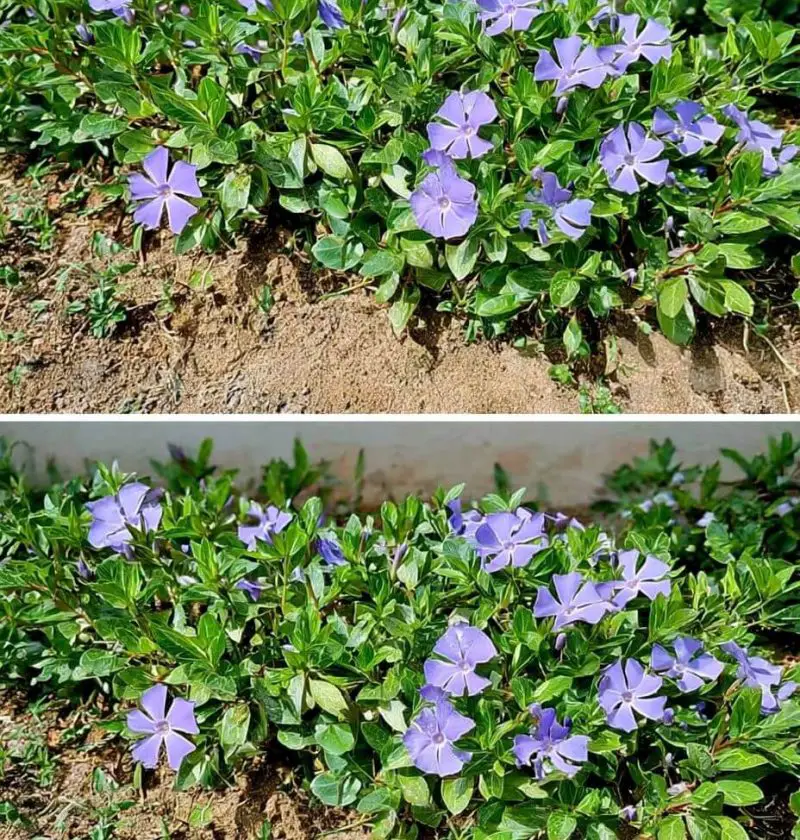
You know how some plants shout for attention—giant blooms, dramatic colors, the whole performance? Periwinkle doesn’t do that. It hums quietly in the background, glossy leaves hugging the ground, soft blue and violet flowers popping up like punctuation marks. And yet, this modest plant has been turning heads for centuries.
Often dismissed as “just ground cover,” periwinkle—known to gardeners as vinca—has a much deeper résumé. Herbalists, historians, and modern researchers have all taken turns studying it, and for good reason. Beneath that calm, evergreen exterior sits a complicated mix of history, chemistry, and old-fashioned usefulness.
Let me explain.
A Plant With a Past (And a Little Drama)
Periwinkle has been around people for a long time, and people have always had opinions about it. The ancient Greeks and Romans used it in early medical remedies, mostly for circulation and memory-related troubles. Back then, plants weren’t separated into neat categories like “medicine” and “myth.” Everything overlapped.
By the Middle Ages, periwinkle picked up a reputation that leaned… mystical. It showed up in protective charms, love brews, and folk rituals meant to keep harm at bay. Was it science? Not exactly. But it was observation, passed hand to hand, generation to generation. And honestly, that kind of persistence usually means something worked well enough to remember.
What Periwinkle Is Like in Real Life
From a botanical standpoint, periwinkle belongs to the dogbane family, which already tells you it’s not as innocent as it looks. The leaves are thick, smooth, and dark green—almost waxy—while the flowers form neat, star-like shapes in shades of blue, lavender, and purple.
Gardeners appreciate it for practical reasons:
-
It grows in sun or shade without much fuss
-
It spreads politely but efficiently
-
It holds soil in place on slopes
-
It doesn’t ask for constant attention
In other words, it’s dependable. And dependable plants often end up being useful in more ways than one.
Where Medicine Enters the Conversation
Here’s the thing: periwinkle isn’t popular in herbal circles just because of tradition. It contains a group of compounds called alkaloids, and these are serious players. Two names come up again and again—vincamine and vincristine.
Vincamine has been studied for its effect on blood flow in the brain. Better circulation can mean sharper memory and clearer thinking, which is why it’s often mentioned in discussions around aging and cognitive health.
Vincristine is even more striking. It’s used in modern cancer treatments, derived directly from compounds found in periwinkle. That’s not folk wisdom—that’s pharmaceutical science doing its job.
How It Actually Works (Without the Lab Coat)
The short version? These compounds interact with cells in very specific ways. Vincamine helps widen blood vessels in the brain, improving oxygen delivery. Vincristine interferes with how cancer cells divide, slowing their growth.
Periwinkle also shows anti-inflammatory and antimicrobial behavior. That means it can calm irritation in the body and help fight off certain infections. Nothing magical—just chemistry doing what chemistry does.
Common Uses, Then and Now
Traditionally, periwinkle has been used for:
-
Memory and focus support
-
Circulation and blood pressure balance
-
Blood sugar support
-
Wound care and infection prevention
In clinical settings, its derivatives show up in treatments that save lives. That contrast—home garden plant and hospital medication—is part of what makes periwinkle so fascinating.
Ways People Use It (And Where Caution Matters)
Periwinkle shows up as dried herbs, teas, tinctures, and extracts. Teas are usually mild and associated with mental clarity. Extracts are much stronger and more targeted.
And this is important: stronger isn’t always better.
Periwinkle isn’t something to experiment with casually. Too much can cause dizziness, nausea, or drops in blood pressure. It’s not recommended for pregnant or nursing women, and it can interact with medications. This is one of those plants where guidance matters.
A Thoughtful Closing
Periwinkle teaches a quiet lesson. Not everything powerful looks impressive at first glance. Some things work steadily, out of the spotlight, doing their job without fanfare.
By paying attention to its history, its biology, and the science behind it, we start to see periwinkle for what it is—not a background plant, not a filler, but a remarkable example of how nature blends beauty with purpose.
And honestly? That’s the kind of plant I want in my garden—and in my stories.