
Save This Recipe
If you’ve ever stood in your garden, hands on hips, staring at a vine full of hard green Tomatoes and wondering what on earth you did wrong—welcome to the club. I’ve been there. Most gardeners have. Tomatoes are generous plants, but they’re also honest. They respond directly to how we treat them, whether we mean to or not.
Here’s the thing: tomatoes don’t refuse to ripen out of spite. They stall because something in their environment—or our care—tells them it’s not quite time yet. Once you understand what they’re listening for, the whole process makes a lot more sense.
And yes, it’s usually fixable.
Sunlight: The Non-Negotiable Ingredient
Let me start with the obvious one, because it really is that important. Tomatoes are sun lovers. They want long, bright days. Not dappled light. Not “pretty sunny most afternoons.” Real sun.
If your plants aren’t getting at least six solid hours a day, preferably closer to eight, ripening slows way down. The plant simply doesn’t have the energy to finish the job. I’ve seen gorgeous tomato plants loaded with fruit that stayed green for weeks because a tree branch grew just enough to cast afternoon shade.
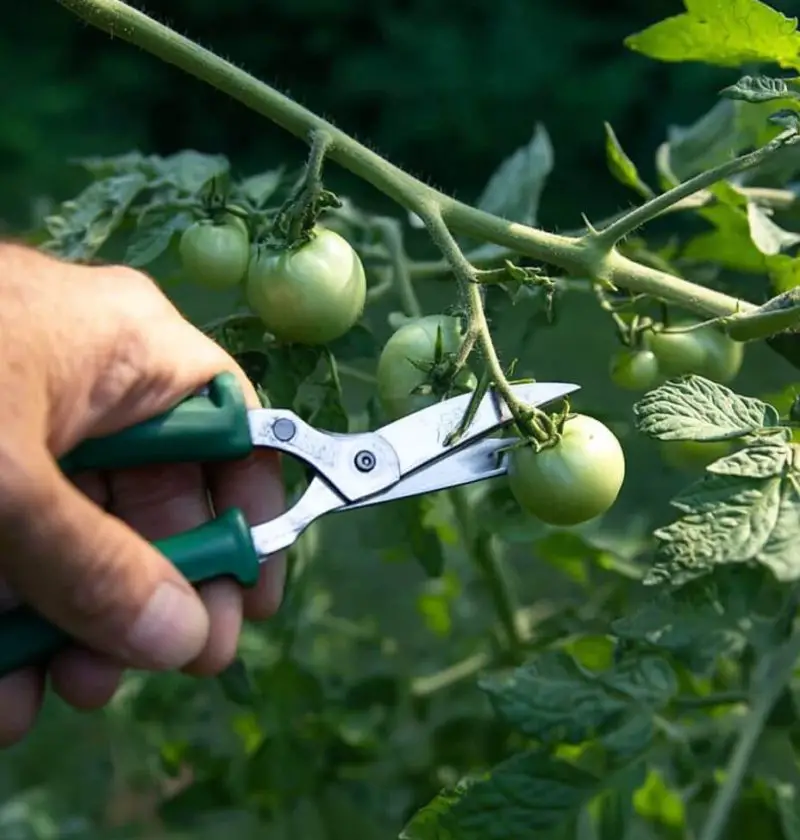
You know what? Sometimes the solution isn’t fertilizer or fancy tricks. It’s a pair of pruning shears and a hard look at where the sun actually falls.
Watering Too Much (Yes, That’s a Thing)
This one surprises people. Tomatoes need water, of course—but they don’t want to swim. Constantly wet soil stresses the roots, limits nutrient uptake, and encourages all kinds of trouble below the surface.
When roots struggle, fruit suffers. Ripening slows. Flavor weakens.
A good rule of thumb is to water deeply, then step back. Let the top inch of soil dry before watering again. And if you’re dealing with heavy clay soil, drainage matters more than frequency. Raised beds or amended soil can make a world of difference.
Honestly, some of the best tomatoes I’ve ever grown came from plants I watered a little less than I thought I should.
All That Leaf Growth Isn’t Helping
Here’s a mild contradiction for you: a tomato plant can look incredibly healthy and still be holding itself back.
Too much foliage shades the fruit and redirects energy away from ripening. Those little shoots—suckers—can turn into a jungle fast. When that happens, tomatoes hide in the shadows, and shadows slow ripening.
Selective pruning helps. Not hacking, not stripping—just thoughtful removal of excess growth, yellowing leaves, and anything blocking airflow. The goal is light, movement, and balance.
Think of it like decluttering a kitchen. You’re not throwing everything out. You’re making room to work.
Soil That Looks Fine but Isn’t Doing Enough
Soil is one of those quiet factors we forget about once planting is done. But tomatoes are heavy feeders, especially when they’re trying to ripen fruit.
Potassium plays a big role here. Without it, tomatoes stay firm and green longer than they should. Compost helps. Well-aged manure helps. A soil test helps even more, because guessing only gets you so far.
And no, more fertilizer isn’t always the answer. Which brings me to…
Fertilizer Can Backfire
Nitrogen makes plants grow fast and leafy. That’s great early on. Later in the season, it’s a problem.
Too much nitrogen late in the game tells the plant to keep growing instead of finishing fruit. You get towering plants, lots of green, and tomatoes that seem stuck.
If you fertilize, choose blends that favor phosphorus and potassium once flowering begins. And ease off as the season winds down. Sometimes the best thing you can do is stop feeding and let the plant mature naturally.
Crowding Creates Quiet Problems
Tomatoes need space. Not just for size, but for airflow and light. When plants are too close together, humidity builds, diseases spread, and fruit hides.
Crowding doesn’t always look dramatic. Sometimes it just means slower ripening and more frustration.
Spacing recommendations exist for a reason. Following them makes everything easier later—watering, pruning, harvesting, and yes, ripening.
Pests, Disease, and Energy Drain
When insects feed or disease sets in, the plant shifts focus from fruit to survival. Ripening becomes secondary.
Regular checks matter. A quick look under leaves. A glance at stems. Catching problems early Keeps the plant strong enough to finish what it started.
I prefer gentle controls whenever possible—beneficial insects, soaps, good garden hygiene. A healthy plant resists trouble better than a stressed one ever will.
Patience Matters More Than Hacks
Let me say this kindly: not everything you see online works. Some viral “tricks” promise overnight ripening, but they often ignore how plants actually function.
Tomatoes ripen through temperature, light, and internal chemistry. You can’t rush that with pantry ingredients without consequences.
If weather forces you to pick early, tomatoes will ripen indoors just fine at room temperature. No sun needed. Just time.
And sometimes—this is the hard part—you simply have to wait.
Supporting the Plant Helps the Fruit
When tomatoes sprawl on the ground, fruit stays shaded, damaged, or stressed. Support Keeps fruit exposed to light and air, which encourages even ripening and reduces disease.
Cages, stakes, trellises—use what fits your space. Just make sure the plant isn’t struggling to hold its own weight. A supported plant is a calmer plant, and calm plants ripen better.
A Final Thought From One Gardener to Another
Green tomatoes aren’t a failure. They’re feedback.
They’re the plant’s way of saying something needs adjusting—sun, water, space, timing. Once you listen, the fixes are usually simple, even if they require a little patience.
Gardening teaches that lesson over and over again. Slow down. Observe. Respond.
And when those tomatoes finally turn—deep red, warm from the sun—it feels earned. Every single time.