
Save This Recipe
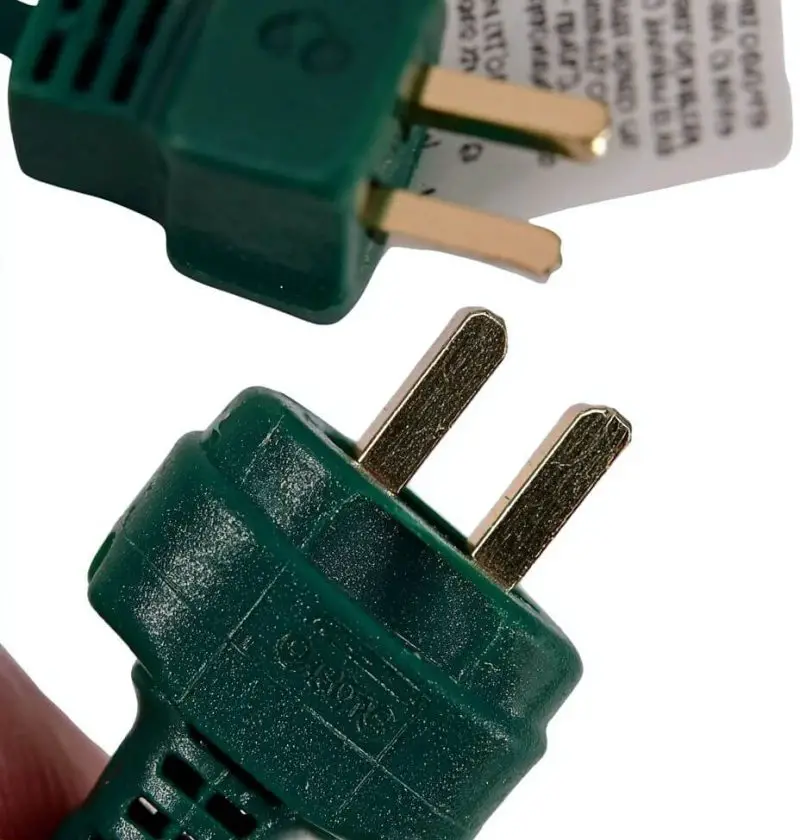
You’ve probably noticed it while untangling a stubborn strand of Christmas lights, coffee cooling on the counter, radio humming in the background. One prong on the plug is wider than the other. It looks almost accidental. It isn’t.
That wider blade is one of those quiet design choices that does its job without asking for praise. No flashing lights. No warning labels. Just steady, dependable safety—especially during the holidays, when extension cords multiply like rabbits and outlets are working overtime.
Let me explain, because once you see it, you’ll never look at a plug the same way again.
The Wider Prong Is the Neutral—Plain English Version
Electricity needs a path out and a path back. Think of it like traffic on a two-lane road. One lane carries cars out of town, the other brings them home. The wider prong connects to the neutral wire, the return lane.
That neutral wire is tied to ground back at your electrical panel. Not in a poetic sense—literally bonded. This stabilizes voltage and gives stray electricity somewhere safe to go if things get weird. And sometimes, things do get weird.
The wide prong makes sure that return path is always hooked up the right way. No guessing. No flipping the plug and hoping for the best.
Polarization: A Safety System Hiding in Plain Sight
This whole setup is called polarization, and it’s been baked into North American wiring for decades. One prong wide, one narrow, so the plug only fits one way. Simple. Smart.
Why does that matter? Because switches and fuses inside many devices are designed to interrupt the hot side of the circuit—not the neutral. If the plug is reversed, the switch might turn the device “off,” but parts inside could still be energized.
That’s how people get surprised. And not in a good way.
Polarization keeps electricity behaving itself. It’s less glamorous than smart tech, but far more important.
Keeping Metal Parts From Turning Into a Bad Idea
Here’s where things get practical. Lamps. Toasters. Old-school Christmas lights with metal sockets. All things we touch, often without thinking.
When a device is properly polarized, any metal parts are tied to the neutral side of the circuit. That means if something inside fails, the electricity is far less likely to energize the exterior.
Flip the polarity, and suddenly a metal shell could be live. That’s the sort of detail electricians lose sleep over—and the rest of us never hear about unless something goes wrong.
Why Christmas Lights Really Depend on This
Holiday lights live a rough life. They’re dragged out of storage, twisted into knots, stapled (please don’t), wrapped around wet bushes, and sometimes run through snowbanks like it’s no big deal.
Polarized plugs reduce risk when insulation cracks, sockets loosen, or moisture sneaks in. The wide prong keeps the neutral where it belongs, lowering the chance that a fault turns into a shock—or worse, a fire.
Honestly, with how casually we treat holiday wiring, it’s impressive how much protection is packed into that tiny detail.
Who Decided This Was Necessary? Enter the Rule-Makers
Safety standards don’t appear out of thin air. Organizations like Underwriters Laboratories test products until they fail, then write rules so the rest of us don’t have to learn the hard way.
Polarized plugs became standard as electrical systems matured and homes filled up with more devices. Fires, shocks, lawsuits—history has a way of motivating better design.
Manufacturers follow these standards because they have to. Consumers benefit because they don’t need a degree in electrical engineering to plug in a strand of lights.
Shocks, Fires, and the Calm Order of Proper Wiring
When something goes wrong electrically, the goal is simple: cut power fast and safely. Polarization helps faults travel back along the neutral path, encouraging breakers to trip instead of wires to overheat.
It’s not foolproof. Nothing is. But it tilts the odds heavily in your favor—especially when paired with modern breakers and GFCI outlets.
Small detail. Big impact.
Why Older Outlets Can Be a Problem
If you live in an older home, you might have run into outlets that don’t accept the wider prong. They were common before polarization became standard.
Temptation whispers: Just shave it down.
Don’t.
That wide blade is doing important work. Removing it is like cutting the seatbelt because it wrinkles your coat.
If this is a recurring issue, it’s worth updating the outlet. It’s a modest fix that pays off every single day.
The Hack That Causes More Trouble Than It Solves
Let’s say it clearly: filing down the wide prong defeats the entire safety system. It allows reversed polarity, energized metal parts, and increased fire risk.
I’ve seen this advice floating around online, usually paired with a shrug emoji. Please ignore it.
Fix the outlet. Replace the power strip. Solve the real problem.
Extension Cords Aren’t Off the Hook Either
A polarized plug is only as good as what it’s plugged into. Cheap extension cords and worn power strips can undo all that careful design.
If a cord doesn’t accept a polarized plug easily, that’s your cue. No forcing. No bending. Electricity remembers every insult.
Two-Prong vs. Three-Prong, Without the Lecture
Two-prong plugs rely on polarization. Three-prong plugs add grounding—a direct escape route for excess electricity.
Christmas lights are usually two-prong because they’re lightweight and double-insulated. As long as polarization is respected, they’re considered safe for their job.
Grounding adds another layer, but polarization still matters. Always has.
LEDs Changed the Bulbs, Not the Rules
LED Christmas lights run cooler and use less power. A blessing, truly. But they still plug into the same electrical system.
The wide prong stayed because the principles didn’t change. Lower voltage doesn’t mean zero risk. Orientation still matters.
Progress builds on old wisdom more often than it replaces it.
A Mostly North American Quirk
You’ll see polarized flat-blade plugs mainly in the U.S. and Canada. Other regions use different systems—round pins, built-in grounding clips, heavier insulation.
Different history. Different solutions. Same goal: keep people safe while they go about ordinary life.
What That Plug Says About Your House
If your outlets accept polarized plugs easily, that’s a quiet sign your wiring is at least keeping pace with modern expectations.
If not, it doesn’t mean panic—but it does mean awareness. Electrical updates aren’t flashy, but they age well.
You’ll See This Design Everywhere Once You Notice It
Table lamps. Kitchen gadgets. Radios. Chargers. The wide prong shows up again and again, doing its job without comment.
It’s consistency, and consistency keeps systems predictable. Predictable systems are safer systems.
A Tiny Detail Worth Respecting
That wider prong isn’t decoration. It’s the result of decades of trial, error, and hard-earned lessons.
So as you hang lights this season—ladder wobbling, cocoa cooling, music playing—know that one small piece of plastic and metal is quietly looking out for you.
Sometimes the best safety features don’t announce themselves. They just work.