
Save This Recipe
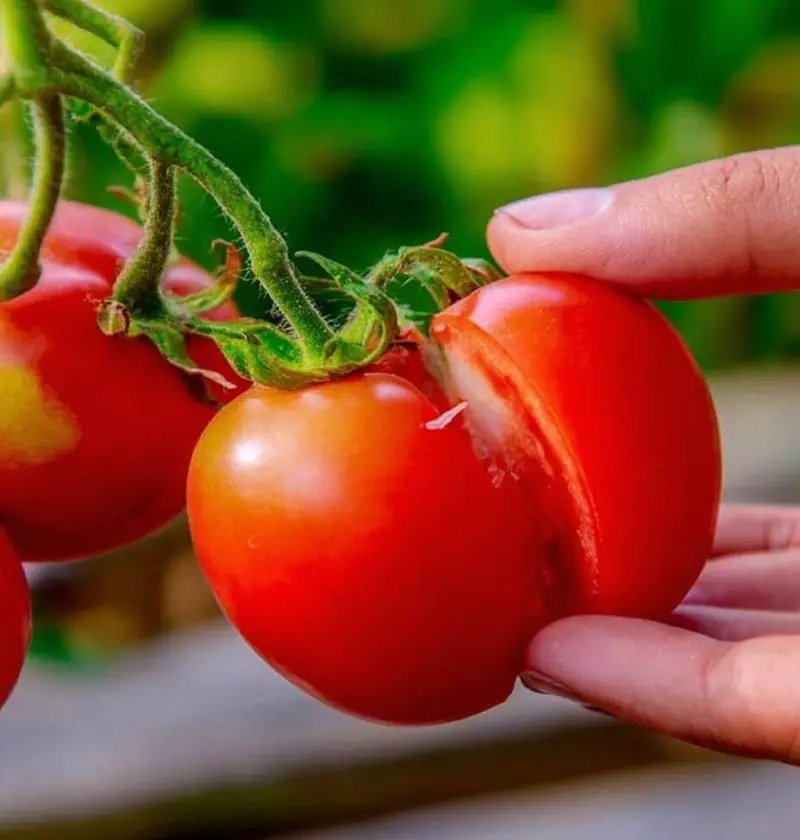
If you’ve ever walked into your garden feeling smug—because the tomato plants are lush, green, and absolutely showing off—only to spot cracks running down your ripening fruit, well… welcome to the club. Tomato splitting is one of those Quietly maddening garden problems. The plant looks healthy. The fruit smells perfect. And yet there it is. A split. Sometimes two.
Honestly, it feels a little personal.
The good news? Split tomatoes are common, explainable, and—most of the time—preventable. Once you understand what’s really going on, you can head it off before it ruins your harvest or your mood.
Let me explain.
So What Is Tomato Splitting, Really?
Tomato splitting happens when the inside of the fruit grows faster than the skin can stretch. Think of it like overstuffing a sausage casing. Something’s got to give.
You’ll usually see cracks:
-
Circling the stem (those are called radial cracks)
-
Running vertically down the sides
They tend to show up right as the tomatoes are ripening, which makes the whole thing extra irritating. You’re this close to picking them.
Split tomatoes are still safe to eat if you catch them early. But once the skin breaks, bugs, bacteria, and rot start eyeing that tomato like it’s an open invitation. That’s when trouble follows.
The Real Reasons Tomatoes Split (No Mystery Here)
You’ll hear plenty of theories floating around garden forums, but in practice, tomato splitting usually comes down to a few very specific habits—or weather moods.
1. Inconsistent Watering (The Biggest Offender)
This one’s the classic.
When tomato plants go dry for a stretch, the fruit growth slows down. Then you water heavily—or a big rainstorm rolls in—and suddenly the plant pulls in water fast. The inside of the tomato swells. The skin can’t keep up. Crack.
It’s not about how much water you give over time. It’s about the stop-and-start.
And yes, it happens even to careful gardeners. Life gets busy. The hose gets skipped. It adds up.
2. Sudden Growth Spurts
Tomatoes love warm days and long stretches of sunshine. When conditions hit that sweet spot, fruit growth can speed up almost overnight.
You know what? That’s usually a good thing—until the skin lags behind. Younger tomatoes are especially prone to this, since their skins are still developing and not very forgiving.
It’s a little like kids outgrowing shoes in a single month.
3. Heavy Rainfall You Didn’t Ask For
You can plan your watering perfectly and still lose the battle to the weather.
A few days of soaking rain can saturate the soil, and tomato roots will drink deeply whether you want them to or not. That sudden abundance causes the fruit to swell quickly, often faster than the skin can stretch.
This is why splitting is so common in humid or unpredictable climates. Nature doesn’t check your gardening calendar first.
4. Too Much Fertilizer (Especially Nitrogen)
Here’s the mild contradiction: tomatoes are heavy feeders—but they don’t want to be overfed.
Too much nitrogen pushes fast growth. Big plants, lots of leaves, quick fruit expansion. Sounds great. Until the tomatoes start cracking under the pressure.
Balanced feeding matters more than enthusiasm. A steady pace wins here.
5. Some Varieties Are Just More Sensitive
This part surprises people.
Certain tomato varieties—especially many heirlooms—have thinner skins. They’re prized for flavor, texture, and nostalgia, but they’re also more likely to crack when water levels fluctuate.
That doesn’t mean you should avoid them entirely. It just means they need a little extra consistency and attention.
How to Prevent Tomato Splitting (Without Losing Your Mind)
You don’t need fancy systems or obsessive monitoring. A few practical habits make a real difference.
Keep Watering Boring—and That’s a Compliment
Aim for even moisture. Not soggy. Not dry. Just steady.
Most tomatoes do well with about 1–2 inches of water per week, including rainfall. Water deeply so roots grow down instead of hovering near the surface.
And if you miss a day? Don’t panic-water. Ease back in.
Mulch Is Your Quiet Hero
Mulch doesn’t get enough credit.
A good layer—straw, shredded leaves, bark—keeps soil moisture stable and temperatures moderated. It slows evaporation and softens the impact of heat spikes and rainstorms.
Honestly, mulch is like a calm, sensible neighbor who keeps everyone from overreacting.
Choose Varieties That Match Your Weather
If you live where rain is unpredictable, consider mixing in some crack-resistant hybrids alongside your heirlooms. Thicker skins handle swings better.
It’s not selling out. It’s gardening smarter.
Go Easy on the Fertilizer
Use a balanced fertilizer and follow the instructions. More is not better here.
If your plants look leafy but fruit keeps splitting, nitrogen might be the culprit. Tomatoes want steady nutrition, not a growth sprint.
Support Your Plants Properly
This doesn’t directly stop splitting, but it helps in sneaky Ways.
Staked or caged plants stay healthier overall. Fruits develop more evenly, stay off wet soil, and experience less stress. And stressed plants tend to misbehave in all kinds of ways.
One Last Thing Gardeners Forget
Harvest promptly.
If tomatoes are fully ripe and rain is coming, pick them. Leaving ripe fruit on the vine during heavy moisture swings practically invites splitting.
Let them finish ripening indoors on the counter. They’ll still taste like summer.
Keeping Tomatoes Whole—and Your Sanity Intact
Tomato splitting isn’t a failure. It’s feedback.
Once you read the signs—uneven water, sudden growth, too much fertilizer—you can adjust. And when you do, the payoff is real: smooth, plump tomatoes that make it from vine to kitchen without drama.
And even when a few split sneak through? Slice around the crack, drizzle with olive oil, sprinkle salt, and move on.
Gardening, like cooking, rewards patience. And forgiveness.