
Save This Recipe
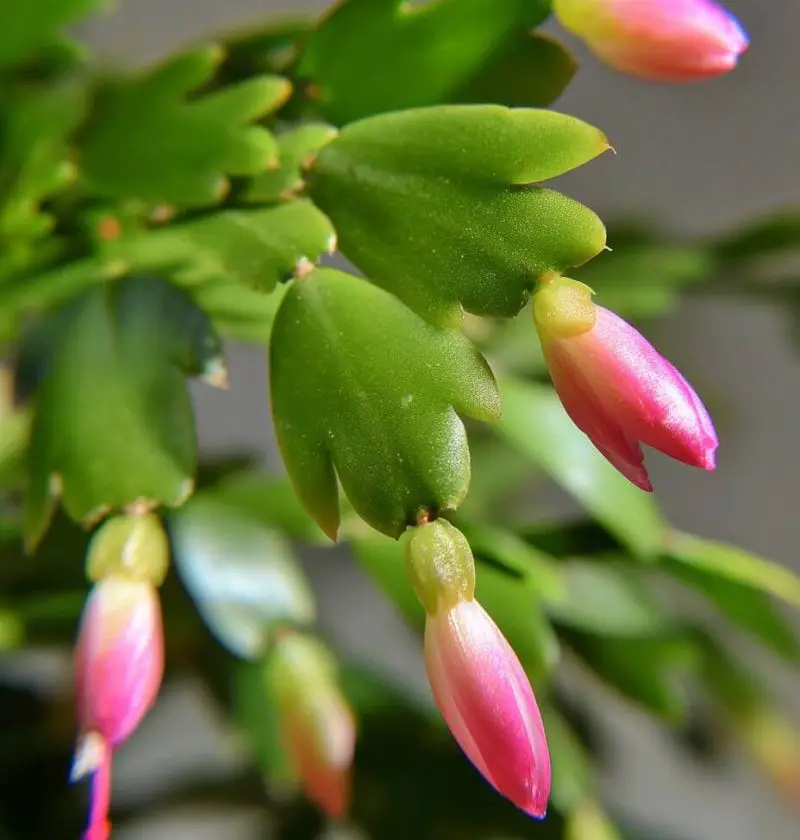
You wait all year for those vibrant blooms — those little bursts of color that brighten the corner table, just in time for the holidays. And then? Plop. The buds start dropping like ornaments from a shaky tree. It’s frustrating, disheartening, and honestly, it can feel a little personal. But don’t worry — you’re not doing anything “wrong.” Your Christmas Cactus just has a few quirks that need a bit of understanding.
Let’s walk through what’s really going on behind that bud drop and how to keep your plant happy — without losing your mind (or your blooms).
1. A Little Bud Drop? Totally Normal
Now, here’s the thing — some bud drop is par for the course. It’s kind of like a plant version of editing: trimming what it can’t support to focus on what it can.
But when you see most of the buds letting go before they bloom, it’s time to investigate. If more than half are falling off? That’s your plant waving a little red flag.
2. Temperature Mood Swings? Not a Fan
You know how a cold gust or a hot flash can ruin your day? Same goes for your cactus. Christmas cacti prefer steady temps — somewhere around 60–70°F is their sweet spot. A sudden draft or a blast from the heater can send it into survival mode, and when that happens… down go the buds.
Pro tip: Keep it away from doors, heaters, air vents, and yes — those charming drafty windows that look so cozy in December.
3. Dry Winter Air = Bud Bummer
This one gets a lot of us, especially when we crank up the heat indoors. Christmas cacti hail from tropical forests — not deserts — so they’re used to moisture in the air.
When your indoor air feels like a desert? The buds dry out before they get a chance to shine.
Quick fix: Try setting a shallow tray of water near the plant or misting it regularly. Even better? If you’ve got a humidifier going for your skin (hello, winter dryness!), let the cactus hang out nearby.
4. Water Woes: Too Much of a Good Thing
This one’s tricky. Because while they like more water than your average cactus, soggy roots are a big no-no.
Overwatering suffocates roots, causing rot and — you guessed it — bud drop.
Stick to this rule of (green) thumb: Wait until the top inch of soil feels dry before watering. And make sure your pot drains well. Sitting in water? That’s a party your plant doesn’t want to attend.
5. Or… Not Enough Water
On the flip side, underwatering can stress your plant out just as badly. If your cactus is thirstier than usual — especially while forming buds — it’ll toss those blooms right off to conserve energy.
So, what’s the balance? Water thoroughly once the soil dries out a bit, but don’t let it get bone-dry for too long.
6. Sunburn’s Real — Even in Winter
Bright light, yes. Full-on sunbathing? No thanks. Christmas cacti love bright, indirect sunlight. Too much direct sun (especially in warmer months) can singe the buds and stress the whole plant out.
North or east-facing windows are your friends. Or use a sheer curtain to soften that winter sun.
7. Let There Be Light (But Not Too Much)
Speaking of sunlight — timing matters. These plants are a bit dramatic when it comes to their bloom schedule. They need about 12–14 hours of darkness a day to bloom properly.
Too much artificial light at night? It messes with their internal clock.
A little trick: Cover the plant in the evening (a light cloth will do) if it’s near a lamp that stays on late. Think of it as tucking it in for the night.
8. Hands Off While Budding
I get it — sometimes you want to move things around to make the room “just right” for the holidays. But moving your Christmas cactus while it’s forming buds? That’s risky business.
These plants do not like change when they’re in bloom-mode. Once the buds appear, leave it be until after flowering. Trust me — it’ll thank you.
9. Drafts Are the Enemy
This goes hand-in-hand with the temperature swings. Even subtle drafts — from door cracks, leaky windows, or that pesky floor vent — can unsettle your cactus.
If you feel a chill where it’s sitting, your plant does too. Shift it to a cozier, more protected spot.
10. Fertilizer: Not Too Much, Not Too Little
Fertilizing seems helpful — and it is — but overdoing it, especially with nitrogen, can cause your cactus to go all leaf, no flower. On the other hand, skipping fertilizer for months on end leaves it undernourished and weak.
The sweet spot: Feed it a balanced, diluted fertilizer once a month from spring to early fall. Then ease off as blooming season approaches.
11. Wrong Pot, Wrong Time
Let’s talk containers. A pot that’s too big? Holds too much water. Too small? Strangles the roots. And repotting during the budding phase? That’s like moving house during labor — stressful and ill-timed.
Repot in the spring if you need to, and choose a pot just a smidge bigger than the root ball, with well-draining soil.
12. Sneaky Pests and Unseen Troubles
Sometimes the culprit isn’t what you can see — it’s what you can’t. Mealybugs, spider mites, fungal gunk… any of these can weaken the plant and trigger bud loss.
Take a peek under the leaves and around the base now and then. If something looks off, try insecticidal soap or neem oil — but go easy if buds are forming.
13. And Those “Internet Hacks”? Tread Lightly
Oh, the internet. So many “quick tricks” floating around — some helpful, others not so much. I’ve seen folks recommend Banana peel water, full sun exposure, even ice cubes (yikes!).
Look, we all love a good shortcut — but your best bet is still the basics: steady temps, decent humidity, indirect light, and proper watering.
Final Thoughts: It’s Not You, It’s (Probably) the Environment
If your Christmas cactus is being dramatic this year, don’t take it personally. These beauties just need a little extra attention around the holidays — kind of like extended family, if you ask me.
Stick to these care tips, and you’ll be well on your way to blooms that make the season sparkle. And if a few buds fall off along the way? Just smile, adjust your misting schedule, and know you’re doing your best.
Besides, we all drop a few buds now and then, don’t we?